

BLOGS
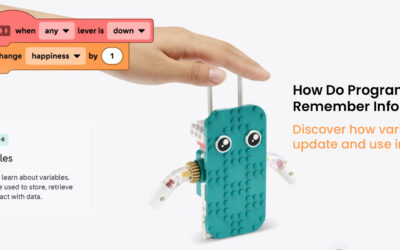
Variables in Programming: How Students Can Understand the Way Computers Store Information
Imagine playing a game where the score increases every time you complete a challenge. The computer needs to remember the current score, update it when you earn points and use the new value as the game continues. But how does a program keep track of this changing...
AI Education for Students: Building Skills Beyond AI Tools
Artificial Intelligence is becoming an important part of everyday life, influencing how people learn, communicate, create and solve problems. As AI-powered technologies become more accessible, schools have an opportunity to prepare students to understand and use these...
From Ideas to Actions: How Sequencing Builds Computational Thinking in Students
Before a robot starts moving, students need to decide what should happen first. Should it move forward? Turn left? Stop at a particular point? And what should happen after that? Although these may seem like simple decisions, they introduce students to an important...
Structural Stability in Engineering: How Students Learn Through Design and Testing
What makes a structure strong enough to stand, support weight and withstand different challenges? Is it the materials used, the way its components connect, or the arrangement of its parts? These questions introduce students to one of the most interesting areas of...
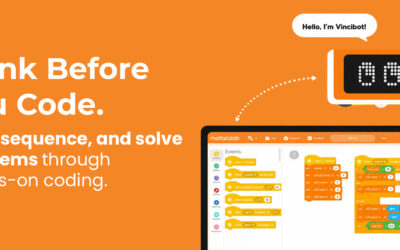
Computational Thinking Skills: Why Students Should Think Before They Code
Coding is often associated with entering commands, moving robots and creating digital projects. However, effective coding begins long before students write their first instruction. It starts with thinking. Before a robot moves forward, turns or completes a task,...
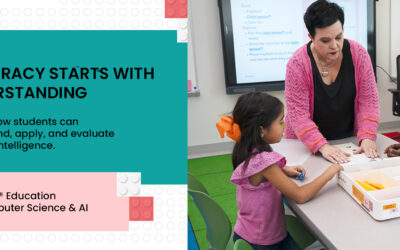
AI Literacy in Schools: Why Understanding AI Matters More Than Using It
Artificial intelligence is becoming an increasingly important part of everyday life, influencing how people learn, communicate, work, and solve problems. As AI tools become more accessible, schools have an opportunity to prepare students not just to use these...
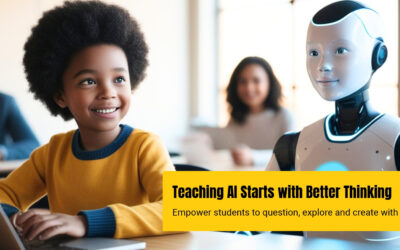
Teaching AI in Schools: Preparing Students to Think, Create and Innovate
Artificial Intelligence is becoming an important part of everyday life, influencing how people communicate, work, learn and solve problems. As AI continues to evolve, schools have an opportunity to prepare students not just to use AI tools, but to understand how they...
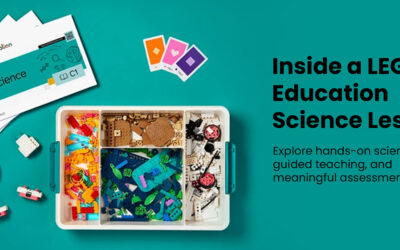
Inside a LEGO® Education Science Lesson: How It Works
Science learning becomes more meaningful when students can investigate questions, explore concepts, and demonstrate their understanding through hands-on experiences. Instead of relying only on explanations and textbooks, teachers can create opportunities for students...
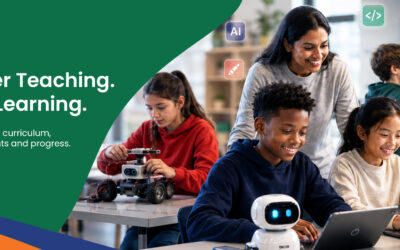
Educational Technology Platform: One Platform That Supports Better Teaching
A strong curriculum is only effective when teachers have the right support, students stay engaged, and school leaders can track meaningful progress. An educational technology platform connects these essential elements, helping schools deliver consistent learning...

School Radio for Students: Bringing the School Community Together
Imagine a platform where students inform, inspire, and connect their entire school community. From sharing school news and conducting interviews to creating podcasts and covering special events, a school radio station gives students a voice and an opportunity to...
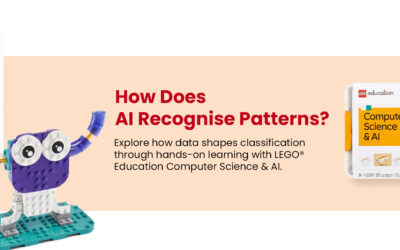
Teaching AI in the Classroom: Exploring Data, Patterns and Classification
How can a computer recognise a pattern? For students, this question can open the door to understanding artificial intelligence. It turns an unfamiliar concept into something they can investigate through examples, experiments and discussion. Teaching AI in the...
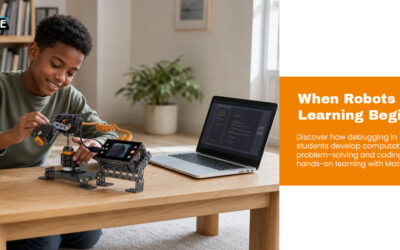
Debugging in Robotics: Building Problem-Solving Skills
The robot didn’t follow the expected path. The code didn’t work. Now what? For students learning coding and robotics, this moment can be more valuable than getting everything right on the first attempt. Instead of simply giving students the correct answer, robotics...
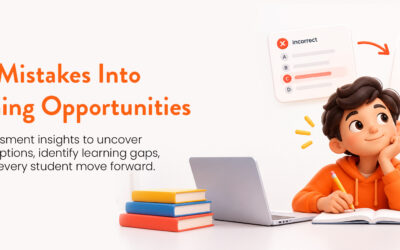
Assessment Insights: Turn Student Mistakes Into Learning
An incorrect answer doesn't always mean a student has failed. Sometimes, it reveals a misconception. Sometimes, it shows where more explanation is needed. And sometimes, it becomes the starting point for deeper learning. This is why effective assessment should go...
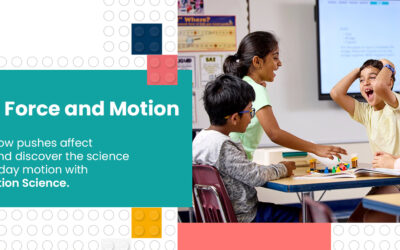
Force and Motion in Science: Learning Through Investigation
What happens when an object is pushed? Does it always move in the same way? These simple questions can open the door to a deeper understanding of force and motion in science. When students investigate how objects respond to pushes, they can begin to explore how forces...
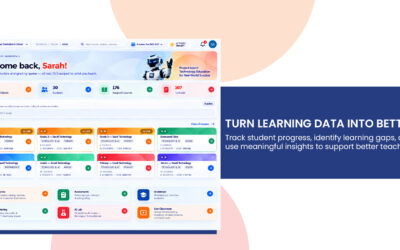
Student Progress Tracking: Turning Learning Data into Better Decisions
Schools collect information about student performance through assessments, assignments, quizzes, and classroom activities. But collecting data is only the first step. The real value comes from understanding what that information reveals about learning and deciding...
The Knowledge Hub
© All Rights Reserved


Recent Comments