
Digital Citizenship for Students: A Guide for Schools

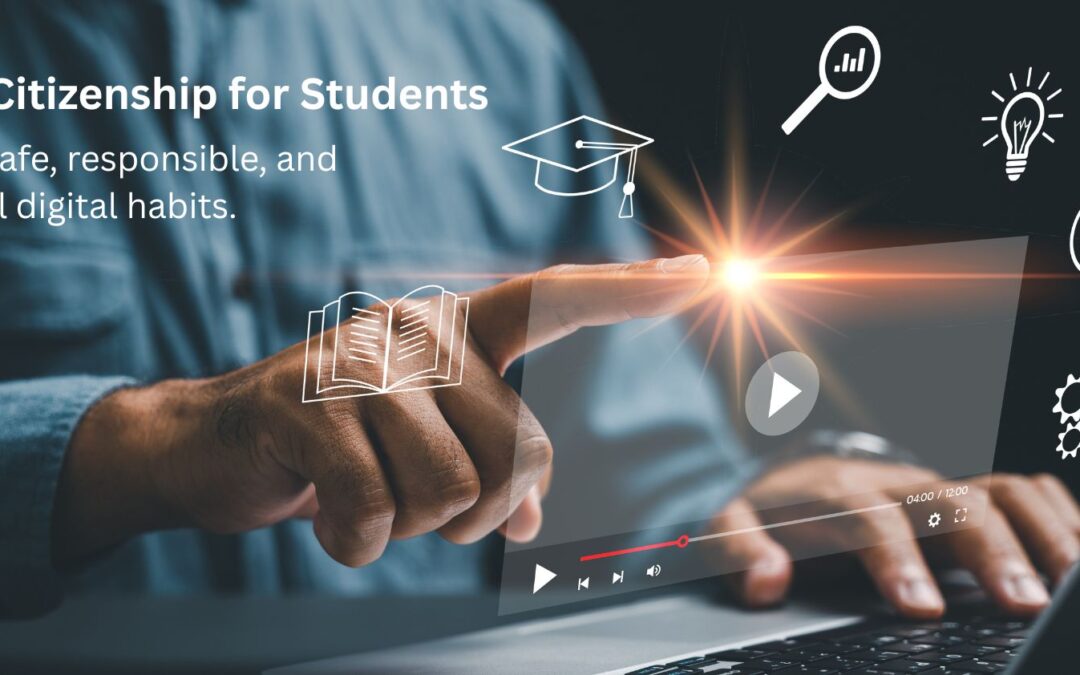
Digital Citizenship for Students: A Guide for Schools

Students are growing up in a world where digital technology is part of everyday learning, communication, entertainment, and social interaction. They use learning platforms, search engines, messaging applications, social media, AI tools, games, and digital resources from an increasingly young age.

But access to technology does not automatically mean students know how to use it responsibly.

They need to understand how their online actions affect themselves and others, how to protect personal information, how to communicate respectfully, how to recognise risks, and how to make responsible decisions in digital environments.

This is where digital citizenship for students becomes important.

Schools can help learners develop the knowledge, habits, and judgement they need to participate safely, respectfully, and responsibly in an increasingly connected world.

What Is Digital Citizenship?

Digital citizenship refers to the responsible, safe, ethical, and respectful use of digital technologies and online environments.

It goes beyond knowing how to operate a computer or access an online platform.

A responsible digital citizen understands how to:

  • Protect personal information
  • Communicate respectfully online
  • Make responsible choices when sharing content
  • Recognise online risks
  • Manage their digital footprint
  • Evaluate digital information
  • Respect other people's privacy
  • Use digital resources appropriately
  • Understand the consequences of online behaviour
  • Use emerging technologies responsibly

Digital citizenship is therefore closely connected to students' everyday experiences with technology.

Why Digital Citizenship Matters in Schools

Technology has become an important part of modern education. Students may use digital platforms for assignments, research, collaboration, presentations, communication, and independent learning.

As technology use increases, students also encounter challenges such as misleading information, inappropriate content, privacy risks, cyberbullying, scams, and irresponsible sharing.

Schools can provide students with structured opportunities to understand these issues before they become serious problems.

The UAE has also placed increasing emphasis on safe and responsible digital experiences for children. The UAE Government provides dedicated information on children's digital safety, while the Ministry of Education provides age-appropriate cyber security resources covering different school cycles.

Digital citizenship education can therefore become part of a broader approach to creating safe, responsible, and future-ready learners.

Key Elements of Digital Citizenship for Students

Digital citizenship covers several interconnected skills.

1. Online Safety and Privacy

Students need to understand that personal information should not be shared casually online.

Depending on their age, this can include learning about:

  • Passwords
  • Names and contact details
  • Photographs
  • Location information
  • School information
  • Account credentials
  • Personal conversations

Students should also learn to recognise suspicious links, messages, websites, and requests for information.

The goal is not to make students afraid of technology. Instead, schools can teach practical habits that help learners make safer decisions.

2. Responsible Digital Communication

Digital communication can happen through learning platforms, email, messaging applications, discussion boards, and collaborative tools.

Students should understand that communication online still requires respect and consideration.

They can learn to:

  • Choose appropriate language
  • Respect different opinions
  • Avoid hurtful comments
  • Think before sending messages
  • Respond constructively
  • Understand that written messages can be misunderstood

These behaviours are particularly important as students increasingly collaborate through digital environments.

3. Understanding Digital Footprints

A digital footprint refers to the information and activity associated with a person's online presence.

Students may not always realise that posts, comments, photographs, profiles, and other online activities can contribute to their digital identity.

Schools can encourage students to pause before they:

Post → Share → Comment → Upload

Simple questions can help:

  • Would I be comfortable if someone else saw this?
  • Is this appropriate?
  • Could this information identify me or someone else?
  • Am I sharing something that belongs to another person?

Developing this habit early can help students make more thoughtful digital decisions.

4. Respecting Others Online

Digital citizenship also involves treating others with respect.

Students need to understand that online communication can have real-world consequences.

Schools can discuss:

  • Cyberbullying
  • Harassment
  • Exclusion from online groups
  • Sharing embarrassing content
  • Impersonation
  • Hurtful comments
  • Unwanted messages

The UAE Ministry of Education has a formal policy addressing bullying in public schools and private schools that follow the Ministry curriculum, including online bullying. The policy outlines responsibilities for schools, teachers, parents, students, and other stakeholders.

Digital citizenship activities can complement these wider efforts by helping students understand respectful behaviour before problems arise.

5. Evaluating Online Information

Students have access to an enormous amount of information.

Not everything they encounter online is accurate, current, or trustworthy.

Digital citizenship education can help students develop habits such as:

  • Checking the source
  • Comparing information
  • Looking for supporting evidence
  • Identifying misleading claims
  • Recognising advertising and sponsored content
  • Questioning information that seems unreliable

This connects closely with digital literacy for students, which focuses on helping learners use, evaluate, create, and communicate with digital information effectively.

6. Respecting Copyright and Digital Content

Students frequently use images, videos, articles, music, graphics, and other online resources for school projects.

They should understand that content found online does not automatically mean it can be copied or presented as their own.

Age-appropriate lessons can introduce concepts such as:

  • Copyright
  • Attribution
  • Plagiarism
  • Creative Commons
  • Responsible content sharing
  • Using licensed resources

This helps students develop responsible digital habits that can support both academic work and future professional communication.

7. Responsible Use of AI

Artificial intelligence has introduced another important dimension to digital citizenship.

Students may use AI-powered tools to generate text, images, ideas, explanations, or answers.

They therefore need to understand that responsible technology use includes questioning AI-generated information rather than automatically accepting it.

Students can learn to:

  • Check AI-generated information
  • Protect personal information when using AI tools
  • Recognise that AI can produce inaccurate information
  • Use AI according to school expectations
  • Understand when human judgement is necessary
  • Avoid presenting AI-generated work as their own when this violates academic expectations

Age-appropriate AI learning can be supported through AI Education Solutions UAE, helping students understand both the opportunities and responsibilities associated with emerging technologies. This makes AI literacy an increasingly relevant part of digital citizenship.

Digital Citizenship Skills by Age Group

Digital citizenship should develop progressively rather than being taught as one large topic.

Early Years

Young learners can begin with simple concepts such as:

  • Asking an adult before using unfamiliar technology
  • Understanding basic screen rules
  • Recognising that devices are tools
  • Treating others respectfully
  • Understanding that technology follows instructions

The UAE Ministry of Education's early-years guidance includes age-appropriate concepts around technology awareness, safe technology use, sequencing, and responsible use of smart tools.

Primary School

Students can begin developing:

  • Online safety habits
  • Password awareness
  • Responsible communication
  • Basic privacy awareness
  • Digital footprints
  • Respectful online behaviour
  • Simple information evaluation

Middle School

Students can explore more complex topics such as:

  • Cyberbullying
  • Online identity
  • Privacy
  • Misinformation
  • Copyright
  • Social media responsibility
  • Digital wellbeing
  • Responsible use of AI

Secondary School

Older students can develop more advanced understanding of:

  • Data privacy
  • Digital reputation
  • Cybersecurity
  • AI ethics
  • Online research
  • Intellectual property
  • Professional digital communication
  • Responsible technology use in higher education and workplaces

This progression allows digital citizenship to become a continuing part of students' development.

How Schools Can Teach Digital Citizenship

Digital citizenship does not have to be limited to one annual awareness session.

Schools can integrate it into everyday learning.

Through Classroom Scenarios

Teachers can present realistic situations and ask students how they would respond.

For example:

A student receives a message asking for their school password. What should they do?

Or:

A student finds an image online and wants to use it in a presentation. What should they check first?

Scenario-based learning can make abstract concepts more practical.

Through Projects

Students can create:

  • Digital safety posters
  • Responsible-use presentations
  • Online safety videos
  • Digital citizenship campaigns
  • Research projects
  • Classroom digital agreements

This allows students to demonstrate their understanding through creation rather than memorisation.

Through ICT Lessons

ICT lessons can incorporate topics such as privacy, online communication, cybersecurity, digital footprints, copyright, and responsible technology use.

This makes digital citizenship part of the broader ICT curriculum UAE rather than an isolated initiative.

Through Cross-Curricular Learning

Digital citizenship can also be reinforced through English, social studies, science, STEM, and project-based learning.

For example, students conducting online research for a science project can simultaneously practise source evaluation and responsible information use.

The Role of Teachers and Parents

Students' digital habits are influenced by both school and home environments.

Teachers can establish clear expectations around technology use and provide opportunities for students to discuss digital challenges.

Parents can reinforce these lessons through everyday conversations about:

  • Privacy
  • Screen habits
  • Online communication
  • Sharing information
  • Digital wellbeing
  • Responsible use of technology

Consistency between school and home can help students understand that digital citizenship is not simply a school rule. It is a set of behaviours that applies across different digital environments.

Digital Citizenship in the UAE School Context

Digital learning is an important part of the UAE's education and technology environment.

The Ministry of Education has developed resources addressing cyber security across different grade levels, from foundational internet awareness in Grades 1–4 through online safety, cyber security, networks, and cybersecurity concepts in later cycles.

The Ministry's current education direction also places emphasis on future skills, technology, AI, and preparing learners for changing educational and workforce needs.

For schools in Dubai and across the UAE, this creates an opportunity to approach digital citizenship as part of a broader future-ready learning strategy.

Rather than treating online safety, digital communication, information evaluation, and responsible AI use as separate topics, schools can develop them progressively alongside their ICT and technology programmes.

How Digital Citizenship Connects With ICT Education

Digital citizenship and ICT education serve different but complementary purposes.

ICT education can help students develop the ability to use and understand technology.

Digital citizenship helps them understand how to use that technology responsibly.

A strong learning pathway can therefore move from:

Digital Literacy → ICT Skills → Coding & Computational Thinking → Digital Citizenship → AI & Emerging Technologies

These areas can reinforce one another.

For example, students may learn how to research information, create digital content, develop a coded project, collaborate online, protect their personal information, and evaluate AI-generated results within the same broader technology learning ecosystem.

How Knowledge Hub Supports Digital Learning

Knowledge Hub helps schools develop modern learning environments through curriculum solutions, ICT, coding, robotics, STEM, AI learning, educational technology, and teacher development.

These solutions can support a connected learning pathway in which students progressively develop technology confidence, computational thinking, creativity, responsible digital behaviour, and future-ready skills.

By combining structured curriculum planning with practical technology experiences and educator support, schools can help students become not only capable technology users, but also thoughtful and responsible digital citizens.

Conclusion

Digital citizenship for students is about more than online safety.

It is about helping young people understand that their choices in digital environments matter.

Students need to know how to protect their information, communicate respectfully, evaluate content, understand their digital footprints, respect other people's rights, and use emerging technologies responsibly.

For schools, digital citizenship should therefore be developed progressively and reinforced across ICT lessons, classroom activities, projects, STEM learning, and everyday technology use.

As digital technologies continue to evolve, these habits can provide students with a strong foundation for learning, collaboration, and responsible participation in an increasingly connected world.

For schools looking to strengthen their digital learning ecosystem, Knowledge Hub provides curriculum and educational technology solutions that support students and educators throughout their technology learning journey.

Frequently Asked Questions

What is digital citizenship for students?

Digital citizenship is the ability to use digital technologies safely, responsibly, ethically, and respectfully. It includes online safety, privacy, communication, digital footprints, information evaluation, and responsible technology use.

Why is digital citizenship important in schools?

It helps students understand how to make responsible decisions when using digital platforms, online resources, communication tools, and emerging technologies.

What are the main digital citizenship skills students need?

Important skills include online safety, privacy awareness, respectful communication, digital footprint management, information evaluation, copyright awareness, cybersecurity awareness, and responsible use of AI.

At what age should students learn digital citizenship?

Digital citizenship can begin in the early years with simple concepts such as safe technology use and respectful behaviour. More advanced topics can be introduced progressively through primary, middle, and secondary education.

How can schools teach digital citizenship?

Schools can integrate digital citizenship into ICT lessons, classroom scenarios, project-based learning, online safety activities, STEM projects, research assignments, and discussions about responsible technology use.

How is digital citizenship different from digital literacy?

Digital literacy focuses broadly on using, understanding, evaluating, creating, and communicating with digital technologies and information. Digital citizenship focuses more specifically on using those technologies safely, ethically, responsibly, and respectfully.
Science Classroom Activities for K-2 Students

Science Classroom Activities for K-2 Students

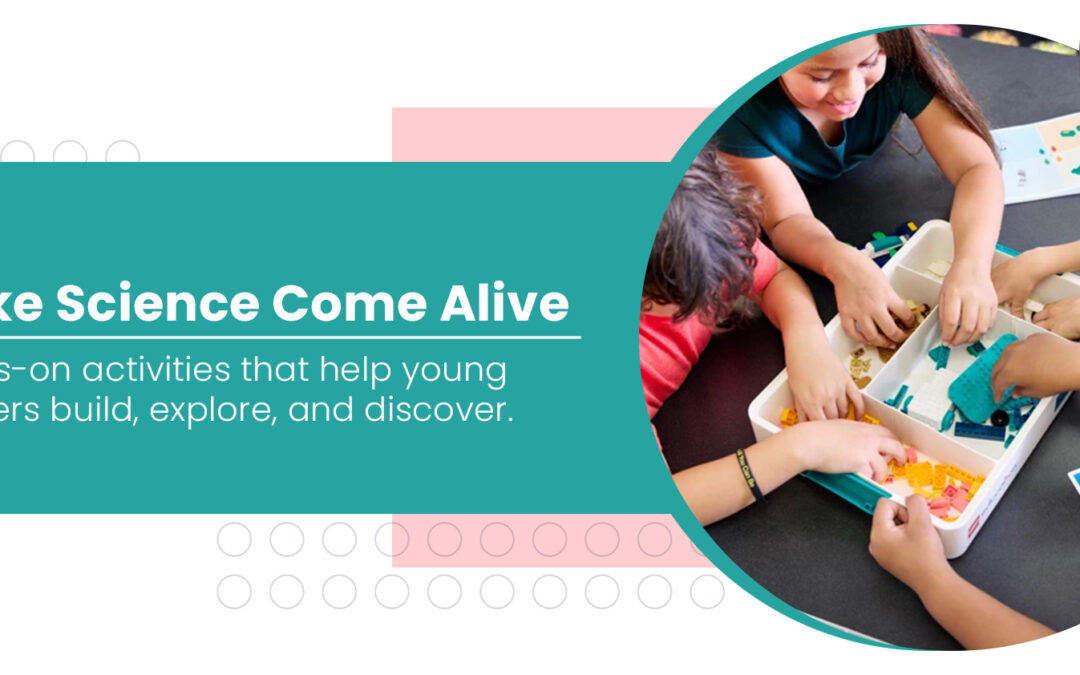
Science is most meaningful when students can do more than listen and remember. For young learners, opportunities to build, investigate, observe, and ask questions can turn everyday science concepts into experiences they can understand.

Well-designed science classroom activities give students the chance to explore ideas through hands-on learning while developing important skills such as problem-solving, collaboration, communication, and critical thinking.

For schools looking to bring more hands-on science into the early years, the LEGO® Education Science Classroom Bundle K-2 provides a structured approach that combines physical learning materials with ready-to-use lessons and teacher resources.

Why Hands-On Science Matters

Young students are naturally curious. They want to know why things happen, how things work, and what happens when they try something differently.

Hands-on science activities give them opportunities to investigate these questions rather than simply receiving answers.

When students build a model, test an idea, observe a result, and discuss what happened, they begin to develop the habits of scientific thinking. They also have opportunities to learn from mistakes and improve their ideas.

This makes science more active, engaging, and memorable.

What Makes Effective Science Classroom Activities?

Not every activity needs to be complicated. Effective activities should give students a clear purpose while leaving enough room for exploration and discussion.

For K-2 classrooms, strong science activities can include:
  • Building models to represent scientific ideas
  • Exploring cause and effect
  • Observing changes and patterns
  • Making predictions before testing an idea
  • Working with classmates to solve a challenge
  • Explaining what they discovered
  • Revising ideas based on evidence

These approaches help connect classroom learning with the way scientists and engineers explore the world.

Bringing Science Concepts to Life with LEGO® Education

The LEGO® Education Science Classroom Bundle K-2 is designed to support hands-on science learning for young students.

The classroom bundle includes six hands-on science kits along with 40 standards-aligned lessons. The lessons cover areas including life science, physical science, earth and space science, and engineering design.

This gives teachers a structured collection of resources while allowing students to learn through building and investigation.

Instead of treating building as an activity separate from science, teachers can use it as part of the learning process. Students can create models, investigate questions, and use what they observe to develop their understanding.

Science Activities That Encourage Collaboration

Science does not have to be an individual activity.

Many hands-on science classroom activities can be completed in small groups, giving students opportunities to communicate their ideas, listen to different perspectives, and work together toward a solution.

The LEGO Education Science solution supports this collaborative approach by providing materials designed for group learning.

Students can take on different roles, discuss possible solutions, test their ideas, and reflect on what they discovered. These experiences can help develop both science knowledge and broader classroom skills.

Supporting Teachers Along the Way

Hands-on learning is most effective when teachers have the right support behind it.

The LEGO Education Science Classroom Bundle includes teacher resources and facilitation support to help educators plan and deliver lessons. The Teacher Portal provides access to standards-aligned lessons and supporting resources.

Student-facing presentations can also help structure classroom activities by providing prompts and opportunities for students to demonstrate their learning.

Formative assessment resources give teachers additional ways to observe student understanding throughout the lesson rather than relying only on a final assessment.

Building a Strong Foundation for STEM

Early science experiences can influence how students approach STEM learning as they progress through school.

When children are encouraged to ask questions, experiment, collaborate, and solve problems from an early age, they begin developing skills that extend beyond a single science lesson.

For schools, incorporating hands-on science classroom activities can therefore be part of a broader approach to creating engaging, future-ready learning environments.

The combination of physical materials, structured lessons, teacher resources, and assessment support can help educators create science experiences that are both purposeful and engaging.

Making Science an Experience

The best science lessons give students something to think about, something to explore, and something to explain.

With LEGO® Education Science, K-2 students can move beyond simply learning about science concepts and begin experiencing them through building, investigation, collaboration, and discovery.

For schools seeking engaging science classroom activities for young learners, combining hands-on resources with structured curriculum support can make science more accessible, interactive, and meaningful.

Knowledge Hub can support schools in exploring LEGO® Education and other innovative solutions designed to strengthen STEM learning and create more engaging classroom experiences.

Coding and Robotics Education: Learning Beyond the Code

Coding and Robotics Education: Learning Beyond the Code

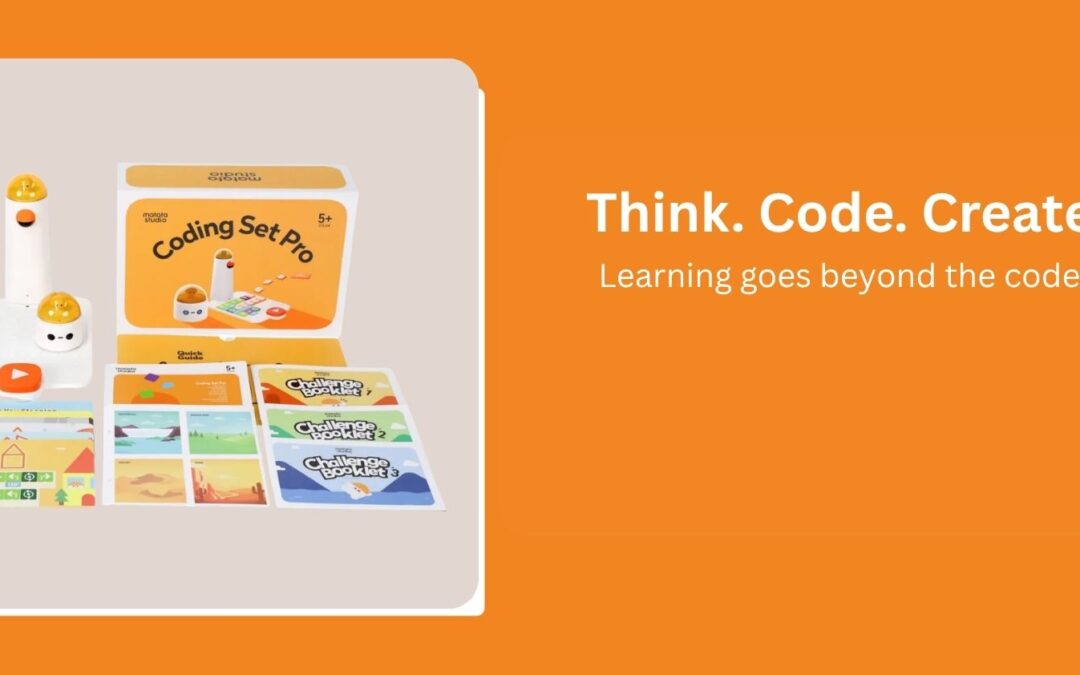
Coding is often introduced to students as a way of telling a computer or robot what to do. But effective coding and robotics education goes much further. It gives students a practical environment where they can think, experiment, solve problems and turn ideas into working solutions.

When students build and program a robot, they are not simply learning how to write code. They are learning how to approach a challenge.

Coding Encourages Students to Think Before They Build

A successful coding project usually begins with a question or a problem.

What should the robot do? What steps are needed? What might happen if something changes?

Students need to break a larger challenge into smaller steps before they begin programming. This process develops computational thinking — the ability to analyse problems, recognise patterns, create logical sequences and develop solutions.

Instead of immediately looking for an answer, students learn to think about why a solution should work.

This makes coding a valuable learning tool across different areas of education.

Robotics Turns Ideas Into Something Students Can See

One of the strengths of robotics is the immediate connection between digital instructions and physical results.

A student can write a program, run it and watch a robot respond. If the robot does not behave as expected, the student has an opportunity to investigate what went wrong.

Perhaps the sequence was incorrect. Maybe a condition was missing. Perhaps the sensor data was interpreted differently than expected.

This creates a natural cycle of build, test, observe and improve.

Through this process, abstract coding concepts become easier to understand because students can see how their instructions affect a real-world object.

Learning Through Trial and Error

Mistakes are an important part of coding and robotics education.

A program that does not work as expected gives students information. Instead of treating an unsuccessful attempt as failure, students can analyse the result, identify the problem and modify their approach.

This develops persistence and encourages students to view problems as opportunities for improvement.

Debugging, for example, is not only a programming skill. It is a structured way of thinking about problems.

Students learn to ask:

  • What did I expect to happen?
  • What actually happened?
  • Where could the problem be?
  • What can I change?
  • Did the change improve the result?

These habits can support learning far beyond the coding environment.

From Coding Skills to Creative Problem-Solving

Coding and robotics education can also give students space to create.

Instead of following a fixed set of instructions, students can be challenged to design their own solutions. They might create a robot that responds to its environment, completes a specific task or demonstrates a concept they have learned.

This brings together creativity and logical thinking.

Students need both sides: imagination to develop an idea and structured thinking to turn that idea into something that works.

Building Future-Ready Learning Experiences

As technology becomes increasingly connected to education and everyday life, students need more than basic digital familiarity.

They need opportunities to understand how technology works, interact with it and use it to solve problems.

Hands-on robotics and coding activities can support the development of computational thinking, problem-solving, creativity, collaboration and logical reasoning while making learning more active and engaging.

This is where STEAM education becomes particularly valuable. Coding and robotics can connect science, technology, engineering, mathematics and creative thinking within one practical learning experience.

The Goal Is More Than Making a Robot Move

The most meaningful outcome of coding and robotics education is not simply a working robot.

It is the thinking that happens along the way.

When students plan an approach, write code, test an idea, identify a problem and improve their solution, they are developing skills that can be applied far beyond robotics.

The goal isn’t just to make a robot move. It’s to help students understand why it moves — and how they can make it do something better.

Discover Hands-On STEAM Learning

MatataStudio provides hands-on learning experiences that bring coding, robotics and creative problem-solving together, helping students explore technology by building, testing and creating.

Explore MatataStudio with Knowledge Hub Dubai.

Educational Technology Platform: One Platform That Supports Better Teaching

Educational Technology Platform: One Platform That Supports Better Teaching

A strong curriculum is only effective when teachers have the right support, students stay engaged, and school leaders can track meaningful progress. An educational technology platform connects these essential elements, helping schools deliver consistent learning experiences while reducing administrative workload.

For schools across Dubai and the UAE, digital learning is no longer just about replacing textbooks with screens. It's about creating a connected ecosystem where curriculum delivery, classroom engagement, assessments, and performance insights work together.

That's exactly what TechnoHub is designed to do.

Why Schools Need an Integrated Educational Technology Platform

Many schools use separate tools for lesson planning, assignments, assessments, and reporting. While each tool solves one problem, switching between multiple platforms often creates unnecessary complexity for teachers and students.

A unified platform simplifies daily teaching by bringing everything into one place.

With TechnoHub, educators can focus more on teaching and less on managing disconnected systems, while students enjoy a smoother learning experience from classroom activities to assessments.

Deliver Curriculum with Confidence

Effective curriculum implementation requires more than simply having learning materials available. Teachers need structured resources that help them deliver lessons consistently across classrooms and grade levels.

TechnoHub supports curriculum delivery by providing organized teaching materials, classroom-ready resources, and digital learning experiences that align with school objectives.

Whether schools follow international or local curricula in the UAE, having centralized access to resources helps create greater consistency across departments.

Keep Students Engaged Through Interactive Learning

Student engagement improves when learning becomes active rather than passive.

Interactive lessons encourage learners to participate, explore concepts, and develop critical thinking skills instead of simply memorizing information.

TechnoHub supports interactive learning through digital activities, classroom resources, and engaging learning experiences that make lessons more dynamic while keeping teachers in control of classroom instruction.

Give Teachers the Resources They Actually Need

Technology should reduce pressure on educators, not create more work.

Teachers often spend valuable time searching for resources, organizing lessons, and preparing classroom materials. An effective educational technology platform makes those resources easily accessible whenever they're needed.

With TechnoHub, educators can access teaching materials, classroom support tools, and structured resources from one platform, allowing them to spend more time focusing on student learning.

Make Assessments More Meaningful

Assessments should provide actionable insights rather than simply generating grades.

Digital assessments allow teachers to monitor understanding, identify learning gaps earlier, and adjust instruction based on student performance.

TechnoHub helps schools streamline assessments while making it easier to review results and support continuous improvement throughout the academic year.

Turn Student Progress into Actionable Insights

School leaders need visibility into what is happening across classrooms.

Instead of relying on fragmented reports, an integrated platform provides a clearer picture of student performance, curriculum progress, and learning outcomes.

These insights help schools make informed decisions about teaching strategies, resource allocation, and academic planning without adding unnecessary administrative burden.

Supporting Future-Ready Schools in Dubai and the UAE

As schools across Dubai and the UAE continue investing in digital transformation, choosing the right educational technology platform becomes increasingly important.

TechnoHub brings together curriculum delivery, interactive learning, teacher resources, assessments, and student progress tracking into one connected solution designed to simplify everyday teaching.

When technology works seamlessly behind the scenes, teachers can teach with confidence, students can learn with greater engagement, and school leaders can make better decisions using meaningful educational insights.

Discover TechnoHub

Looking for an educational technology platform that supports teachers, engages students, and gives school leaders better visibility? TechnoHub helps schools across Dubai and the UAE create connected, future-ready learning environments where better teaching becomes easier.

Educational Robotics in Schools: How Hands-On Learning Builds Future-Ready Learners

Educational Robotics in Schools: How Hands-On Learning Builds Future-Ready Learners

As schools across Dubai and the UAE continue to embrace technology-enabled learning, robotics is becoming an increasingly practical way to introduce students to coding, engineering and problem-solving. Educational robotics in schools gives learners the opportunity to move beyond theory and understand technology by building, programming, testing and improving real projects.

Rather than simply learning about machines or programming concepts, students can see how their instructions produce physical results. This hands-on approach makes robotics an engaging learning experience while helping students develop skills that are relevant to modern education and future careers.

For schools exploring robotics education in the UAE, robotics can also provide a practical connection between coding, STEM learning and project-based education.

What Is Educational Robotics?

Educational robotics uses robots, programmable components and structured challenges as learning tools. Students may construct robotic models, write programs, use sensors, solve challenges and modify their designs based on the results.

The objective is not simply to build a functioning robot. The learning happens throughout the process:

Understand → Design → Build → Program → Test → Improve

This cycle encourages students to actively participate in finding solutions rather than simply following instructions.

Depending on their age and experience, students can progress from basic construction and sequencing activities to more advanced programming, sensor-based projects and autonomous robotic systems.

Why Robotics Is Becoming Relevant in UAE Schools

The UAE has placed strong emphasis on innovation, technology and future-focused education. In Dubai in particular, schools are increasingly looking for learning experiences that help students develop practical technology skills alongside traditional academic knowledge.

This makes robotics a useful addition to school technology and STEM initiatives.

A robotics challenge might ask students to make a robot follow a path, respond to an object, transport an item or complete a specific sequence. To achieve the objective, students need to analyse the challenge, plan their approach, develop a solution and evaluate the result.

This turns robotics into an active learning experience rather than simply another technology subject.

Hands-On Robotics Learning

One of the biggest advantages of educational robotics is that students can immediately see the relationship between their decisions and the outcome.

For example, a student may program a robot to move a particular distance. If the robot moves too far, the student can examine the instructions, adjust the program and test it again.

This creates a natural learning cycle in which students:

  • Experiment with different solutions
  • Observe results
  • Identify problems
  • Make adjustments
  • Test their ideas again

For schools in Dubai and across the UAE, this type of practical learning can complement classroom instruction by giving students opportunities to apply concepts rather than only learn them theoretically.

Robotics, Coding and STEM

Robotics can provide a practical connection between several areas of STEM education.

Students may use:

  • Science to explore movement, forces and physical systems
  • Technology to understand programmable devices
  • Engineering to design and improve robotic models
  • Mathematics to work with measurements, distances, angles and patterns

Coding adds another layer to this experience. Students can create instructions that control how a robot moves, responds to its environment or completes a task.

This makes robotics particularly useful for schools developing integrated STEM and coding programs.

Schools can also connect robotics activities with their broader STEM curriculum rather than treating robotics as an isolated activity.

Schools can also combine robotics activities with coding education for students to create a connected technology learning pathway.

Developing Problem-Solving Through Robotics

Robotics provides students with problems that require them to think systematically.

A challenge may have a clear objective, but students may need to determine the best way to achieve it. They must break the problem into smaller steps, identify possible solutions and evaluate whether their approach works.

Programming also introduces students to debugging. When a robot does not behave as expected, students need to examine their instructions and identify where the problem occurred.

Through these experiences, students can practise:

  • Logical reasoning
  • Computational thinking
  • Decision-making
  • Debugging
  • Creative problem-solving
  • Planning and evaluation

The emphasis is therefore not just on whether the robot works, but on how students arrive at the solution.

Encouraging Creativity and Collaboration

Robotics challenges do not always have a single solution. Students can experiment with different designs, mechanisms or programming approaches to achieve the same objective.

This creates opportunities for creative thinking while also encouraging students to work together.

In a team-based activity, students may divide responsibilities between construction, programming, testing and presentation. They must communicate their ideas, evaluate different approaches and work towards a shared outcome.

For schools introducing robotics programs in Dubai, these collaborative projects can help connect technical learning with communication and teamwork.

From Robotics Activities to Real Projects

The strongest robotics learning experiences often move beyond isolated exercises and introduce students to project-based challenges.

Instead of simply asking students to program a robot to move, a teacher might present a broader challenge:

Design and program a robotic solution that can complete a specific task.

Students then have to decide how they will approach the challenge.

This gives them greater ownership of the learning process and allows them to apply multiple skills at once.

For example, a project may involve designing a robotic system, programming its behaviour, testing different approaches and presenting the final solution.

Schools can gradually increase the complexity of these projects as students develop greater confidence and technical ability.

How Schools Can Introduce Robotics

Schools do not need to begin with highly advanced robotics systems. A structured progression can help students build confidence before moving to more complex challenges.

A school introducing educational robotics in the UAE can consider the following approach:

1. Define the Learning Objectives

Determine whether robotics will support coding, STEM, engineering, computational thinking or project-based learning.

2. Select Age-Appropriate Robotics Tools

Choose platforms and activities that match students' developmental level and existing technical skills.

3. Begin With Guided Challenges

Start with structured activities that introduce basic construction, programming and testing.

4. Progress to Open-Ended Projects

Once students understand the fundamentals, provide challenges that allow them to design and test their own solutions.

5. Support Teachers

Teachers should have suitable training, curriculum resources and guidance so that robotics activities remain connected to learning objectives.

6. Build a Progression

Students can gradually move from introductory robotics and coding activities to more advanced programming, engineering, and autonomous systems.

For schools seeking a structured approach, Robotics & Coding Programs in the UAE can provide a pathway for integrating these experiences into wider technology and STEM learning.

Robotics Education in Dubai: Creating Future-Ready Learning

For schools in Dubai, educational robotics can provide a practical way to introduce students to emerging technologies while keeping learning active and engaging.

The value of robotics does not come from the robot alone. It comes from what students do with it.

When students design, build, program, test and improve their solutions, they experience a learning process that combines technology with creativity, reasoning, and collaboration.

This makes robotics particularly relevant for schools working towards future-ready classrooms in the UAE, where students are expected to develop the ability to adapt, create, and solve unfamiliar problems.

Conclusion

Educational robotics in schools can turn technology learning into a practical experience where students learn by building, programming, testing, and improving.

For schools in Dubai and across the UAE, robotics can complement STEM and coding education while giving students opportunities to develop computational thinking, creativity, collaboration, and practical problem-solving skills.

The most effective approach is not simply to provide students with robots, but to create meaningful learning experiences around them. With age-appropriate tools, teacher support, and a structured progression of challenges, robotics can become an important part of a school's technology and STEM learning strategy.

Bring Robotics Learning Into Your School

Ready to give students more opportunities to build, code, experiment and solve real-world challenges?

Knowledge Hub's Robotics & Coding Programs in the UAE are designed to bring hands-on technology learning into schools through structured robotics and coding experiences. Our programs help students develop practical skills in coding, computational thinking, problem-solving, creativity and collaboration through engaging, age-appropriate activities.

Whether your school is looking to introduce robotics for the first time or build a more structured technology learning pathway, Knowledge Hub can help you create meaningful robotics and coding experiences for your students.

Explore Knowledge Hub's Robotics & Coding Programs UAE and discover how your school can turn technology learning into hands-on, future-focused experiences.

Frequently Asked Questions

What is educational robotics in schools?

Educational robotics uses robots, programmable systems and hands-on challenges as learning tools. Students build, program, test, and improve robotic solutions while developing technical and problem-solving skills.

What skills can students develop through robotics?

Robotics can help students practice coding, computational thinking, logical reasoning, creativity, problem-solving, collaboration, planning, and debugging.

Can robotics be introduced in primary schools?

Yes. Robotics can be introduced through age-appropriate construction, sequencing, coding, and problem-solving activities. The complexity of projects can increase as students develop their skills.

How does robotics support STEM education?

Robotics connects science, technology, engineering and mathematics through practical projects. Students can apply concepts from multiple disciplines while designing, building, and programming solutions.

Is robotics the same as coding?

No. Coding involves creating instructions for programmable systems, while robotics involves designing, building and programming robotic systems. They are closely connected because coding can be used to control robots.

How can schools in Dubai introduce robotics?

Schools can begin by identifying learning objectives, selecting suitable robotics tools, training teachers and introducing structured activities before progressing to larger project-based challenges.

Can robotics be part of a school's existing STEM program?

Yes. Robotics can be integrated into STEM learning as a practical application of coding, engineering, mathematics and scientific concepts rather than being treated as a completely separate subject.