
Special Education Management System: Building Inclusive Learning Environments

Special Education Management System: Building Inclusive Learning Environments

Every child has a unique way of learning, understanding, and expressing themselves. In today’s evolving education landscape, schools are moving beyond traditional teaching approaches to create learning environments where every student feels supported and valued.

Special education is not only about addressing challenges—it is about discovering possibilities, recognizing individual strengths, and providing the right support that enables every learner to succeed.

For schools, creating an inclusive environment requires collaboration between educators, specialists, parents, and administrators. With increasing learner diversity, managing student needs, assessments, interventions, and progress effectively has become an important part of modern education.

The Importance of Inclusive Education in Schools

Inclusive education focuses on ensuring that every learner receives equal opportunities to participate and grow within the classroom. It encourages schools to understand that each student has different abilities, learning styles, and support requirements.

When schools adopt inclusive practices, they create a positive environment where students feel accepted and empowered. Teachers can better understand learner needs, while specialists can provide targeted support strategies that encourage academic, social, and emotional development.

However, maintaining individual learning records, tracking progress, and coordinating between different stakeholders can become complex without proper systems and processes.

Supporting Educators with Better Learning Insights

Teachers play a vital role in identifying student needs and creating effective learning experiences. Having access to organized learner information allows educators to make informed decisions and provide appropriate interventions.

A structured approach helps teachers monitor progress, document observations, and understand how each learner responds to different teaching methods. This enables educators to focus on personalized support rather than relying on general classroom strategies.

Technology solutions designed for special education help schools bring together important information, making it easier for educators and specialists to collaborate effectively.

Enhancing Collaboration Among School Teams

Special education requires teamwork. A student’s learning journey often involves teachers, special educators, therapists, counsellors, and parents working together towards common goals.

A Special Education Management System enables schools to create a connected approach where teams can share updates, monitor development, and maintain consistent support plans. Better communication between stakeholders ensures that learners receive continuous guidance and support throughout their educational journey.

With improved collaboration, schools can identify changing needs faster and provide timely assistance to help students overcome learning barriers.

Tracking Student Growth Through Data-Driven Support

Understanding student progress is an ongoing process. Regular monitoring helps educators evaluate the effectiveness of support strategies and make necessary improvements.

Digital platforms simplify the process of maintaining learner records, tracking interventions, and analyzing progress over time. These insights help schools create personalized approaches that align with each student’s abilities and goals.

By using data-driven methods, educators can focus on what works best for individual learners and create meaningful learning experiences.

Creating Future-Ready Inclusive Schools

The future of education lies in creating classrooms where every learner has the opportunity to participate, develop skills, and achieve their potential. Schools need solutions that support educators while ensuring that students receive the attention and guidance they require.

SpEd@school helps schools, educators, and specialists work together to understand learner needs, track progress, and provide the right support at every stage. By bringing structure, collaboration, and accessibility into special education practices, it empowers schools to build stronger inclusive learning environments.

Conclusion

Supporting every learner requires understanding, collaboration, and the right tools. A Special Education Management System helps schools move towards a more organized and inclusive approach by simplifying student support, improving communication, and enabling personalized learning pathways.

When schools focus on possibilities rather than limitations, they create environments where every child can learn, grow, and achieve success.

AI Education for Kids: Why Artificial Intelligence Learning Should Start Early

AI Education for Kids: Why Artificial Intelligence Learning Should Start Early

Artificial Intelligence (AI) is no longer just a technology used by scientists, engineers, and businesses. It has become part of everyday life, influencing how we search for information, communicate, learn, and solve problems. As technology continues to evolve, children need to understand how AI works and how they can use it responsibly.

Introducing AI education for kids at an early age helps students build curiosity, creativity, and problem-solving skills while preparing them for a technology-driven future.

Why Should Children Learn About AI?

Children today are growing up surrounded by smart devices, voice assistants, recommendation systems, and intelligent applications. Instead of only using technology, students should learn how technology is created and how it impacts the world around them.

Early AI learning helps children:

1. Develop Critical Thinking Skills

AI is built on data, patterns, and decision-making. When children explore AI concepts, they learn how machines identify information, make predictions, and solve problems.

These activities encourage students to ask questions, analyze situations, and think logically — skills that are valuable across every subject.

2. Encourage Creativity and Innovation

AI is not only about programming and technology. It is also about imagination and creating solutions.

Through AI-based projects, children can explore ideas such as:

  • Creating intelligent systems
  • Building interactive applications
  • Designing problem-solving projects
  • Understanding how machines learn

Hands-on learning allows students to experiment, make mistakes, and improve their ideas.

Learning AI Through Hands-On Experiences

The best way for children to understand AI is through practical activities rather than only theoretical explanations. Students learn better when they can interact, build, test, and explore concepts themselves.

Technokids helps introduce children to emerging technologies through engaging learning experiences that combine AI, coding, robotics, and STEM concepts.

Instead of simply teaching children how to use technology, Technokids focuses on helping them understand how technology works. Students develop confidence by working on projects that encourage creativity, teamwork, and innovation.

Building Future-Ready Skills Through AI Learning

The future workforce will require more than traditional academic knowledge. Skills such as computational thinking, creativity, collaboration, and digital literacy will become increasingly important.

AI education for kids provides children with an opportunity to develop these essential skills from an early stage.

By learning AI concepts, students begin to understand:

  • How machines process information
  • How data influences decisions
  • How technology can solve real-world challenges
  • How humans and AI can work together

These skills prepare children to adapt to future opportunities in science, technology, engineering, and other fields.

The Role of Schools in AI Education

Schools play an important role in helping students become responsible technology users and creators. Introducing AI and emerging technology programs allows schools to create a future-ready learning environment.

With the right curriculum and hands-on approach, students can explore AI concepts in an age-appropriate way while developing confidence in technology.

Technokids supports schools by providing structured technology learning programs designed to introduce students to coding, AI, robotics, and digital skills through engaging activities.

Preparing Children for Tomorrow with Technokids

Technology will continue to transform the way we live and work. Helping children understand AI today gives them the confidence to create, innovate, and solve problems tomorrow.

With practical learning experiences and future-focused programs, Technokids empowers students to explore emerging technologies and develop the skills needed for the digital world.

The goal is not just to teach children about AI — it is to inspire them to become the innovators who shape the future.

Coding for Kids: Why It’s Becoming the New Literacy of the 21st Century

Coding for Kids: Why It’s Becoming the New Literacy of the 21st Century

In today’s rapidly evolving world, reading and writing remain fundamental skills. However, as technology becomes an integral part of everyday life, another form of literacy is emerging as equally important: coding.

From smartphones and smart homes to artificial intelligence and robotics, technology shapes how we learn, communicate, and solve problems. This is why educators and parents are increasingly recognizing the importance of coding for kids—not simply as a technical skill, but as a way to develop critical thinking, creativity, and confidence.

Coding Is More Than Learning a Programming Language

When many people hear the word “coding,” they imagine children sitting in front of a computer writing complex lines of code. In reality, coding education for young learners focuses on much more than programming.

At its core, coding teaches children how to think logically, break down problems into manageable steps, identify patterns, and create solutions. These are valuable skills that can be applied across every subject and throughout life.

The goal isn’t to turn every child into a software engineer. Instead, it’s about helping them understand how technology works and empowering them to become active creators rather than passive consumers.

Why Coding for Kids Matters Today

The world our children will enter as adults will look very different from the one we know today. Many future careers will require digital literacy, computational thinking, and the ability to work alongside emerging technologies.

Introducing coding at an early age helps students build skills that remain relevant regardless of the career path they choose.

1. Develops Critical Thinking Skills

Coding encourages children to analyze situations, identify challenges, and find logical solutions. Every coding activity becomes an opportunity to think critically and make informed decisions.

2. Strengthens Problem-Solving Abilities

Children learn that mistakes are not failures but opportunities to improve. When a program doesn’t work as expected, students learn to troubleshoot, test ideas, and refine their approach.

3. Encourages Creativity

Coding is often viewed as a technical subject, but it is also highly creative. Students can design games, create stories, build interactive projects, and bring their ideas to life.

4. Builds Confidence

Successfully completing coding challenges gives children a sense of achievement. As they overcome obstacles and create their own projects, they gain confidence in their abilities.

5. Prepares Students for Future Opportunities

As industries increasingly adopt automation, robotics, and artificial intelligence, understanding technology becomes a valuable advantage. Early exposure to coding helps students become future-ready learners.

Beyond Screens: Learning Through Play

One of the biggest misconceptions about coding education is that it always requires extensive screen time.

For younger learners, some of the most effective coding experiences are hands-on and interactive. Through play-based learning, children can explore sequencing, logic, algorithms, and problem-solving in a way that feels natural and engaging.

This approach helps students understand fundamental coding concepts before transitioning to more advanced digital environments.

Computational Thinking: A Skill for Every Subject

Coding education also introduces children to computational thinking—the process of breaking down complex challenges into smaller, manageable parts.

These skills extend far beyond computer science.

Students use computational thinking when:

  • Solving mathematics problems
  • Conducting scientific investigations
  • Planning projects
  • Analyzing information
  • Working collaboratively with peers

As a result, coding supports learning across multiple disciplines while strengthening overall academic performance.

Creating Future-Ready Learners

The skills needed in the 21st century go beyond memorization and standardized testing. Today’s students must learn how to adapt, innovate, collaborate, and think independently.

Coding provides an effective framework for developing these capabilities. Through hands-on exploration, children learn to experiment, take risks, learn from mistakes, and continuously improve their solutions.

These experiences help cultivate resilience, curiosity, and a growth mindset—qualities that are essential for success in an ever-changing world.

How MatataStudio Makes Coding Accessible

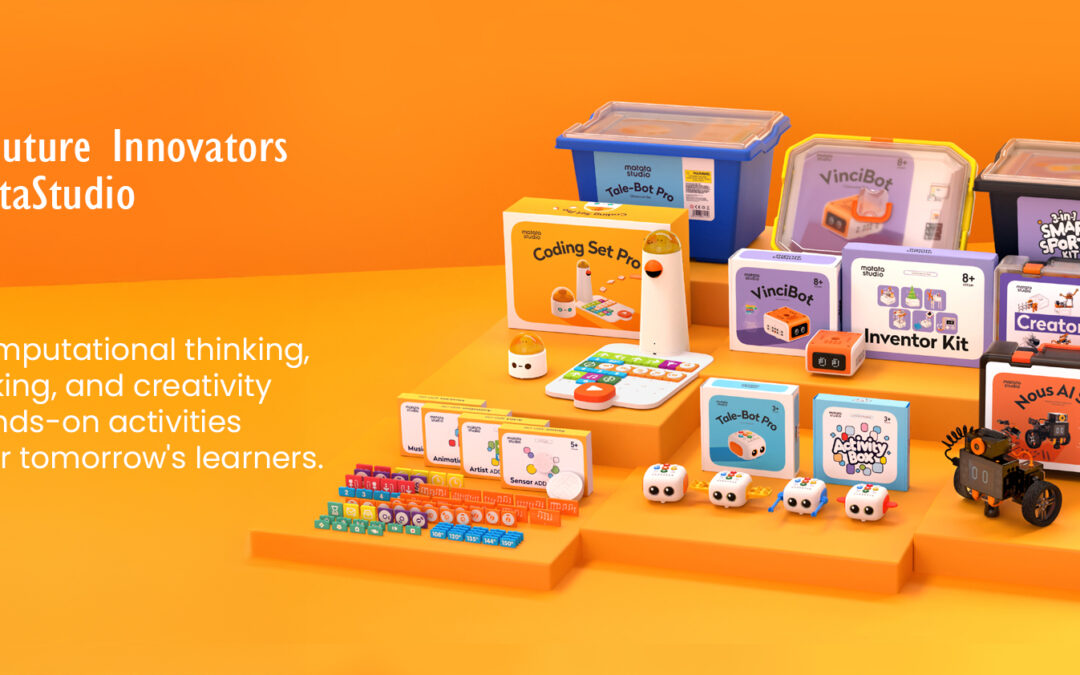
MatataStudio believes that every child should have the opportunity to develop coding and computational thinking skills in an engaging and age-appropriate way.

By combining hands-on learning, interactive challenges, educational robotics, and play-based experiences, MatataStudio enables children to explore coding concepts without feeling overwhelmed by technical complexity.

Students learn through discovery, experimentation, and creativity, building a strong foundation for lifelong learning and future success.

Conclusion

As technology continues to shape our world, coding is becoming a fundamental skill alongside reading, writing, and mathematics.

The true value of coding for kids extends beyond technology itself. It helps children develop critical thinking, creativity, problem-solving abilities, confidence, and adaptability—skills that will serve them throughout their lives.

By introducing coding early through engaging and hands-on experiences, educators and parents can empower the next generation to thrive in a digital future, not just as users of technology, but as creators, innovators, and problem-solvers.

Why Hands-On Science Learning Matters in Classrooms

Why Hands-On Science Learning Matters in Classrooms

Science is most effective when students experience it firsthand. Rather than simply memorizing facts or reading theories from textbooks, learners gain a deeper understanding when they can explore, investigate, and discover concepts on their own. This is where hands-on science learning plays a vital role in modern education.

Today’s classrooms are evolving to meet the needs of future-ready learners. Schools are increasingly adopting interactive and inquiry-based teaching methods that encourage students to think critically, solve problems, and collaborate with their peers. Science education, in particular, benefits greatly from this approach because it allows students to connect theoretical concepts with real-world applications.

Turning Scientific Concepts into Real Experiences

Many scientific principles can seem abstract when taught through traditional methods alone. Concepts such as force, motion, energy, ecosystems, or matter become easier to understand when students can observe them in action.

Through experiments, investigations, and model building, students actively participate in the learning process. They make predictions, test ideas, analyze results, and discuss findings. These experiences help transform complex scientific concepts into meaningful learning opportunities that students can remember and apply.

When students are involved in the process of discovery, they become more engaged and motivated to learn. Instead of asking, “What is the answer?” they begin asking, “Why did this happen?” and “What can I try next?” This shift encourages curiosity and deeper exploration.

Developing Essential Future Skills

Science education today is about much more than mastering subject knowledge. Students must also develop skills that will help them succeed in higher education and future careers.

Activities that promote hands-on science learning naturally encourage critical thinking, creativity, communication, and collaboration. As students work together to investigate problems and test solutions, they learn how to share ideas, evaluate evidence, and make informed decisions.

These experiences also strengthen resilience. Not every experiment produces the expected result, and that is an important part of learning. Students discover that mistakes can lead to valuable insights and new questions, fostering a growth mindset that supports lifelong learning.

Supporting Inquiry-Based Learning

Inquiry-based learning places students at the center of the educational experience. Rather than simply receiving information, learners actively seek answers through observation, experimentation, and reflection.

This approach mirrors the work of real scientists. Students learn how to ask meaningful questions, gather data, evaluate evidence, and communicate their conclusions. As a result, science becomes a dynamic and engaging subject rather than a collection of isolated facts.

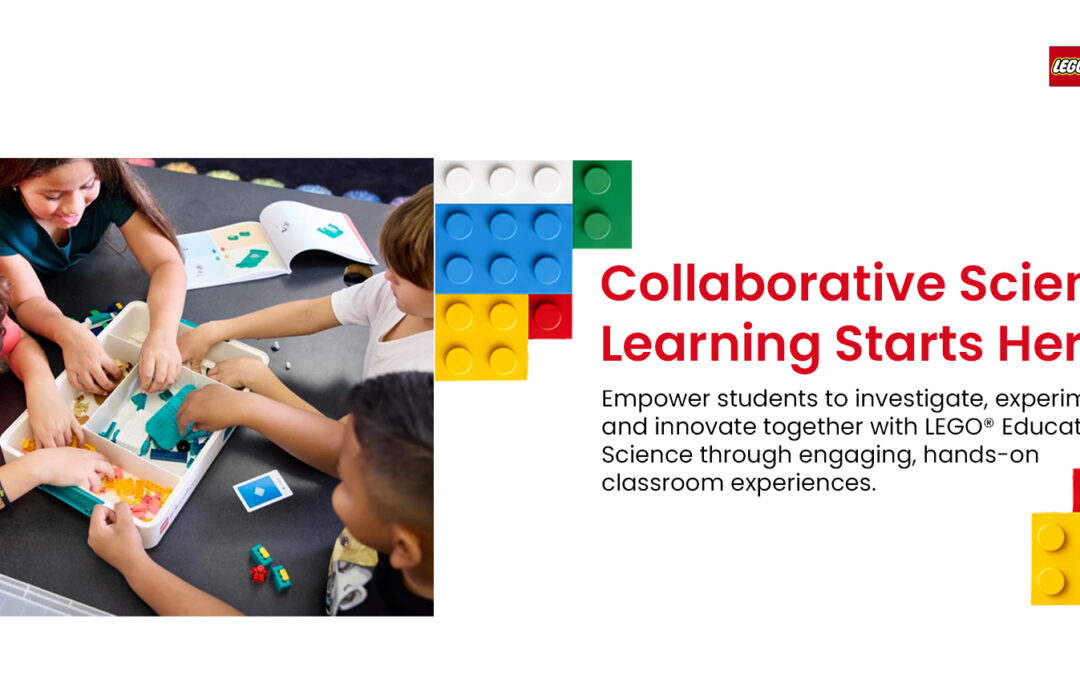
Tools such as LEGO® Education Science help bring inquiry-based learning to life by providing structured yet flexible opportunities for exploration. Students can build models, conduct investigations, and collaborate with classmates while developing a strong understanding of scientific concepts.

Creating Engaged and Confident Learners

One of the greatest benefits of interactive science education is the confidence it builds in students. When learners see the results of their efforts and successfully solve challenges, they gain a sense of achievement and ownership over their learning journey.

Engaged students are more likely to participate, ask questions, and remain curious about the world around them. By encouraging exploration and discovery, schools can create learning environments where students feel empowered to think independently and develop a genuine passion for science.

Conclusion

The future of science education lies in active participation, exploration, and discovery. By moving beyond passive instruction and embracing experiential learning, educators can help students develop both scientific understanding and essential life skills.

Through hands-on investigations, inquiry-based learning, and collaborative problem-solving, students become confident learners who are prepared to navigate an increasingly complex world. Hands-on science learning transforms science from something students study into something they truly experience.

AI Literacy for Students: Learning AI Through LEGO® Education Computer Science

AI Literacy for Students: Learning AI Through LEGO® Education Computer Science

Artificial Intelligence (AI) is rapidly becoming part of everyday life. From voice assistants and recommendation engines to smart devices and autonomous systems, AI is shaping the way we live, work, and learn. As technology continues to evolve, schools have an important responsibility to prepare students with the knowledge and skills needed to understand and engage with these innovations.

This is why AI Literacy for Students is becoming an essential part of modern education. Through LEGO® Education Computer Science, students can explore AI concepts in a hands-on, engaging, and age-appropriate way. By building, coding, and collaborating, learners gain practical experience with emerging technologies while developing critical thinking and problem-solving skills.

What Is AI Literacy?

AI literacy is the ability to understand, apply, evaluate, and interact with artificial intelligence technologies responsibly. It goes beyond simply using digital tools. Students learn how AI systems work, how data influences decisions, and how technology can be used to solve real-world challenges.

Developing AI literacy helps students:

  • Understand the fundamentals of AI and machine learning
  • Build critical thinking and computational thinking skills
  • Explore how AI impacts everyday life
  • Develop creativity through technology-based problem-solving
  • Become responsible users and creators of digital technologies

As AI becomes increasingly integrated into society, these skills will be valuable across every industry and profession.

Bringing AI to Life Through LEGO® Education Computer Science

One of the biggest challenges in teaching AI is making complex concepts accessible to young learners. LEGO® Education Computer Science addresses this challenge through hands-on learning experiences that allow students to explore AI in meaningful and engaging ways.

Rather than simply learning about AI through textbooks or videos, students actively participate in building models, coding solutions, and testing their ideas. This practical approach transforms abstract concepts into experiences that students can see, touch, and understand.

By combining physical building with coding and problem-solving, LEGO® Education helps students develop confidence while learning how intelligent systems work.

AI Experiences for Every Learner

A key strength of LEGO® Education Computer Science is its inclusive approach to learning. AI experiences are designed for all students and teachers, regardless of prior knowledge or technical expertise.

Students are introduced to AI concepts through guided lessons that encourage exploration and discovery. As they progress, they begin applying their understanding to increasingly creative and challenging projects.

These experiences help students:

  • Understand how AI systems make decisions
  • Explore real-world applications of AI
  • Apply AI concepts to solve authentic problems
  • Evaluate the impact of technology on society
  • Build confidence with emerging technologies

By making AI accessible, LEGO® Education ensures that every learner has the opportunity to participate in the future of technology.

Learning Through Building, Coding, and Creating

Hands-on learning is at the heart of the LEGO® Education experience. Students learn best when they are actively engaged in creating and experimenting.

Through collaborative projects, learners build models and develop coded solutions that simulate real-world AI applications. They explore how technology can be used to improve everyday experiences while practicing essential computer science skills.

These activities encourage students to:

  • Design innovative solutions to challenges
  • Test and improve their ideas through iteration
  • Use coding to bring creations to life
  • Think critically about how technology works
  • Apply creativity to solve problems

By connecting theory with practice, students gain a deeper understanding of AI and its potential applications.

Developing Responsible AI Creators

Understanding technology is only one part of AI literacy. Students must also learn how to use technology responsibly and ethically.

LEGO® Education promotes safe, meaningful, and creative AI experiences that encourage learners to think critically about the role of technology in society.

Students explore important topics such as:

  • Responsible use of AI technologies
  • Ethical decision-making
  • Fairness and bias in digital systems
  • Data awareness and privacy
  • Human responsibility in technology development

These discussions help students become thoughtful digital citizens who understand both the opportunities and responsibilities that come with technological innovation.

Collaboration Drives Innovation

The most impactful innovations often come from teamwork. LEGO® Education Computer Science encourages collaboration by engaging students in shared learning experiences where they build, code, test, and improve solutions together.

Through collaboration, students develop valuable skills including:

  • Communication
  • Teamwork
  • Creative thinking
  • Leadership
  • Problem-solving

These experiences mirror the way real-world technology teams work, preparing students for future academic and career opportunities.

Preparing Students for an AI-Powered Future

As technology continues to transform industries around the world, students need more than technical knowledge. They need the confidence to adapt, create, and innovate.

By developing AI Literacy for Students, schools can empower learners to understand emerging technologies and use them to solve meaningful problems. LEGO® Education Computer Science provides an engaging pathway for students to explore AI through hands-on learning, creativity, and collaboration.

Whether students pursue careers in technology, science, business, healthcare, or other fields, AI literacy will help them navigate a future where artificial intelligence plays an increasingly important role.

Conclusion

The future belongs to learners who can understand, evaluate, and create with technology. Through LEGO® Education Computer Science, students gain the skills and confidence needed to engage with AI in meaningful and responsible ways.

By combining hands-on building, coding, collaboration, and creative problem-solving, LEGO® Education helps develop AI Literacy for Students, preparing them to become the innovators, thinkers, and leaders of tomorrow.