
Veggie Love: Fun Coding Activity with LEGO® Education

Veggie Love: Fun Coding Activity with LEGO® Education

Welcome, educators and enthusiasts of innovative learning! Today, we’re diving into a captivating lesson plan that bridges the realms of STEM education, horticulture, and coding using the LEGO® Education SPIKE™ Prime Set. The “Life Hacks” unit, particularly Lesson 5, takes students through the fascinating world of plant growth, weather data, and coding logic. This fun coding activity engages students in hands-on learning as they build and program their very own “tomato-meter” model, blending creativity with practical application.

Cultivating Curiosity

In Lesson 5, aptly titled “Veggie Love,” students in grades 6-8 explore how to use live forecast data to determine whether tomato plants need watering for the week. The magic happens as they build and program their very own “tomato-meter” model, a delightful blend of creativity and practicality through fun coding activity.

Building Blocks of Learning

The lesson unfolds in a series of steps, each designed to stimulate critical thinking and collaboration:

  1. Prepare: Students familiarize themselves with the LEGO® Education SPIKE™ App, setting the stage for the hands-on activity.
  2. Engage: A brief discussion ignites curiosity as students ponder questions about vegetable growth periods and regional variations in farming.
  3. Explore: Working in pairs, students construct the tomato-meter model and bring it to life through programming. They learn to adjust the meter’s needle based on forecasted precipitation.
  4. Explain: Collaboration continues as teams pair up to fine-tune their tomato meters, fostering a culture of peer learning.
  5. Elaborate: To deepen understanding, students extend their learning by displaying temperature forecasts for the upcoming week, honing their skills in data representation.

Nurturing Growth

As educators, we always seek ways to assess and enhance learning experiences. The lesson provides various assessment opportunities:

  • Teacher Observation: Evaluate student progress using customized success criteria, such as calibrating the meter and linking data manipulation to real-world scenarios.
  • Self-Assessment: Students reflect on their performance, choosing a “brick” that aligns with their achievements, whether moving the meter or displaying forecasted values.
  • Peer-Assessment: Encouraging constructive feedback among students fosters a supportive learning environment and promotes growth.

Beyond the Lesson

The learning continues beyond coding and gardening- extensions open doors to interdisciplinary exploration, allowing students to explore exciting, fun coding activities. 

  • Language Arts: Students can interview a local farmer or gardener to learn about the tools they use to monitor plant health and water needs. By comparing their tomato meter to these real-world instruments, students gain a deeper understanding of the practical applications of science and technology in agriculture.
  • Math: The tomato meter becomes a springboard for exploring data representation on a scale. Students can experiment with calibrating the meter for different variables like wind speed and temperature over time. This challenges them to think proportionally and translate real-world data into movement on the meter’s scale, reinforcing mathematical concepts.

A Harvest of Skills

In this innovative STEM lesson, students learn to code through fun coding activities and work with live data while gaining insights into the world of agriculture and meteorology. LEGO® Education’s SPIKE™ Prime Set, popular amongst schools in the Middle East, becomes a tool for cultivating not just tomato plants but also young minds eager to explore, experiment, and innovate.

So, let’s continue sowing the seeds of knowledge, one LEGO® brick at a time, nurturing a generation of thinkers and problem solvers ready to tackle the challenges of tomorrow’s world.

Connect and Learn More

Explore more lesson plans and resources from LEGO® Education to bring hands-on, engaging STEM experiences to your classroom. Let’s cultivate a love for learning that grows as abundantly as a well-tended garden.

Contact us

Fill in your details below or send us an email on info@knowledge-hub.com

Proven Benefits of Personalized Tutoring with Wowzers

Proven Benefits of Personalized Tutoring with Wowzers

Parents choose tutoring for their children for various reasons. Some may lack the confidence or expertise to assist with schoolwork, while others find that their children benefit from working through challenges with a dedicated tutor. Tutoring enhances subject comprehension, instills confidence, and cultivates essential learning skills. With individualized attention, students receive personalized support tailored to their needs, addressing struggles and the need for more advanced challenges. Moreover, tutoring ensures continuity in learning during breaks from school, like March Break or summer vacations. Overall, tutoring is vital in nurturing academic growth and empowering students to thrive in their educational journey, as it highlights the Benefits of Personalized Tutoring.

Individualized Attention:

In a classroom setting, teachers often have to follow the norm and cater to the needs of a large group of learners, which can make it difficult to address each student’s specific learning needs. Experience the Benefits of Personalized Tutoring, where individualized attention allows students to receive personalized instruction catered to their unique learning styles and pace.

Clarification of Concepts:

Students may struggle to grasp certain concepts in a classroom environment due to various factors such as fast-paced instruction, distractions, or differing learning styles. A tutor can provide additional explanation and clarification, helping students better understand complex topics.

Improved Academic Performance:

Tutoring can lead to improved educational performance by providing students with the opportunity to reinforce their understanding of subjects, practice skills, and receive feedback on their progress. Experience the benefits of personalized tutoring to help students build confidence and competence in their academic abilities.

Supplemental Support: 

Some students may require extra support outside the regular classroom environment due to learning disabilities, language barriers, or other challenges. Tutoring can offer supplemental support to help these students overcome obstacles and succeed academically.

Preparation for Exams:

The benefits of personalized tutoring can be especially beneficial for students preparing for standardized tests or important exams. Tutors can help students develop unique study strategies, review key concepts, and practice test-taking skills, ultimately increasing their chances of success on exams.

Boosting Motivation and Confidence:

Working with a tutor who provides encouragement, support, and positive reinforcement can help boost students’ motivation and confidence in their academic abilities. This can lead to a more favorable attitude towards learning and a greater willingness to tackle challenging tasks.

Special Aid Support: 

Dyscalculia can indeed make math class overwhelming, but tutors provide invaluable support with personalized strategies tailored to each student’s needs. Through clear explanations and targeted exercises, they establish a safe and supportive environment for learning. Ultimately, their goal is to empower students to see math as conquerable and to approach it with newfound confidence and enjoyment.

Encourages Questioning:

Tutoring fosters an environment where your child feels free to ask questions, big or small. Unlike in school, where they may feel self-conscious, tutoring encourages them to seek clarification without fear of judgment. By promoting open dialogue, tutors empower students to voice their inquiries and deepen their understanding.

Collaboration with Parents and Educators:

Personalized tutoring programs foster collaboration between tutors, parents, and classroom teachers, creating a cohesive support system for students. Experience the benefits of personalized tutoring where tutors communicate regularly with parents and educators to provide updates on student progress, share insights, and coordinate strategies to support student learning both inside and outside the classroom.

Narrative-Based Tutoring:

In tutoring, concepts are contextualized and delivered through narrative, addressing the fundamental question of “Why do I need to learn this?” This method, akin to storytelling, engages students by providing real-world relevance and purpose to their learning. By breaking away from conventional teaching methods, tutoring through storytelling sparks curiosity and deeper understanding. Through narrative-driven learning experiences, students grasp concepts and develop critical thinking skills and a love for learning.

Transforming Education Through Personalized Tutoring Programs

Wowzers offers tailored tutoring programs with 20+ years of experience, aiding over 100,000 students across the Middle East and other regions. They start by identifying students in need and scheduling sessions to fit school schedules. Trained tutors or teacher training options are provided for effective instruction delivery. Experience the benefits of personalized tutoring, where Individualized learning plans are created based on student data for personalized support. Small-group tutoring and AI feedback drive progress through tailored paths. Wowzers also provides ‘Response to Intervention’ tools and academic reporting for accountability, handling logistics for schools to focus on student outcomes.

Contact us

Fill in your details below or send us an email on info@knowledge-hub.com

A Helpful Introduction to Pre-K Coding Curriculum Coding Express

A Helpful Introduction to Pre-K Coding Curriculum Coding Express

In today’s digital age, introducing young learners to the fundamentals of coding and programming is becoming increasingly important. Not only does it foster critical thinking and problem-solving skills, but it also lays the foundation for future success in STEM fields. One innovative tool that facilitates this early introduction is the LEGO® Education Coding Express set, designed specifically for preschool and kindergarten students. In this blog post, we’ll delve into the first lesson of the Pre-K Coding Curriculum, highlighting its engaging activities and educational benefits.

First Trip: Coding Express Set Lesson 

The first lesson, titled “First Trip,” serves as an introductory exploration into the Coding Express set. Designed for beginners and tailored for pre-K and kindergarten students, this lesson spans 30 to 45 minutes and aims to familiarize children with the various components of the set while encouraging collaborative play and creative problem-solving.

The lesson begins with an interactive engagement activity where students are prompted to share their experiences with trains, subways, or trams. This serves to pique their interest and create a relatable context for the subsequent activities. The playful “choo choo train game” not only energizes the students but also introduces the concept of starting and stopping—a fundamental aspect of the pre-k coding curriculum.

Exploration with Model Building

Following the engagement phase, students transition into the exploration stage, where they are encouraged to build models using printable model cards or drawing inspiration from the provided Building Cards. This hands-on activity allows students to unleash their creativity and practice fine motor skills while constructing tracks and destinations.

Once the models are built, students embark on a journey, navigating the train from the station to various destinations. This step introduces the concept of algorithms—step-by-step instructions for the train’s movement—and encourages students to think sequentially and strategically. This activity is a crucial component of the pre-K coding curriculum.

Throughout the exploration phase, students encounter different ways to stop the train: manually, using red action bricks, or employing the red stop brick. This presents an opportunity for educators to discuss the function of these elements and encourage critical thinking through guided questions.

Customizing Tracks with Action Bricks

As the lesson progresses, students are encouraged to extend their tracks, incorporate additional stops, and experiment with green action bricks. This open-ended approach fosters creativity and allows for personalized learning experiences tailored to each student’s interests and abilities.

In the evaluation phase, educators assess students’ understanding through observation and guided questioning. By focusing on collaborative group work, adherence to algorithms, and successful use of action bricks, educators can gauge students’ mastery of the lesson objectives and identify areas for further exploration.

The Coding Express curriculum aligns with educational standards and learning objectives, ensuring that each lesson contributes to students’ holistic development. By integrating hands-on activities with foundational coding concepts, this curriculum cultivates essential 21st-century skills such as communication, collaboration, and critical thinking. It’s a vital component of the pre-K coding curriculum.

LEGO® Education Coding Express, an innovative STEM tool for Early Learners

The Power of Play 

Moreover, the playful and intuitive nature of the Coding Express set makes learning enjoyable and accessible to young learners, regardless of their prior experience with coding or technology. By harnessing the power of play, educators can ignite students’ curiosity and lay a solid foundation for lifelong learning.

In conclusion, the LEGO® Education Coding Express set offers a dynamic and engaging introduction to coding and programming for pre-K and kindergarten students. Through hands-on exploration, playful activities, and guided instruction, students not only develop essential coding skills but also develop a love for learning and discovery. As educators continue to leverage innovative tools like the Coding Express set, they empower young learners to thrive in an increasingly digital world.

With its blend of creativity, collaboration, and coding, the Coding Express curriculum sets the stage for a transformative educational journey—one where every child has the opportunity to unlock their full potential and embark on an exciting adventure in STEM.

Contact us

Fill in your details below or send us an email on info@knowledge-hub.com

How To Deliver Professional Virtual Music Lessons Using Soundtrap?

How To Deliver Professional Virtual Music Lessons Using Soundtrap?

The desire to learn a musical instrument is a common aspiration for many students. However, traditional music lessons can pose logistical challenges due to scheduling constraints and geographical limitations. Thankfully, the rise of virtual learning platforms has opened doors to a new and exciting way to embark on a musical journey. This blog post highlights the numerous advantages of learning a musical instrument through virtual music lessons.

Enhanced Flexibility and Accessibility
Virtual music lessons offer students flexibility unmatched by traditional in-person lessons. Furthermore, geographical limitations are eliminated. Students can now connect with exceptional instructors from across the globe, expanding their access to a wider pool of qualified teachers.

Personalized Learning Experiences
Virtual music lessons often provide a more personalized learning environment compared to larger group settings. This one-on-one format allows instructors to tailor lessons to each student’s specific needs, learning styles, and musical preferences. Students can receive focused guidance on areas requiring additional attention, fostering a deeper understanding of musical concepts. Additionally, the virtual format permits students to learn at their own pace. They can revisit challenging sections or progress to new skills as they master previous ones, ensuring a well-rounded and comprehensive learning experience.

Technological Integration and Community Building
Many online learning platforms incorporate interactive tools and features that enhance the learning process. These tools can include backing tracks for practice, the ability to slow down recordings for focused study, and even virtual jam sessions with the instructor. Furthermore, the online environment fosters a sense of community. Students can connect with other virtual musicians through forums, groups, and online jam sessions, fostering a network of support and inspiration in virtual music lessons.

Soundtrap is an excellent platform for schools looking to incorporate virtual instruments into their curriculum. Here’s why:

Virtual Instruments Galore:
Soundtrap boasts a vast library of high-quality virtual instruments, including pianos, guitars, drums, synthesizers, and more. This allows students to explore various musical styles and experiment with different sounds.

Easy to Use Interface
Designed with beginners in mind, Soundtrap offers a user-friendly interface that makes it easy for students of all ages to create music. This makes it an ideal tool for virtual music lessons. Students can drag and drop virtual instruments, record vocals, and instruments, and edit their creations intuitively.

Collaboration Made Easy
Soundtrap allows students to collaborate on projects in real-time, regardless of location. This fosters teamwork, communication, and creativity in the classroom. Students can collaborate to compose a song, record a podcast, or create a soundscape for a school project.

Engaging Learning
Using virtual instruments, Soundtrap can make music creation more engaging and accessible for students during virtual music lessons. It allows them to experiment with different sounds, learn basic music theory, and express themselves creatively.

Soundtrap

Here are some specific ways Soundtrap with virtual instruments can be used in schools:

  • Music Class: Students can use virtual instruments to compose their own music, practice playing different instruments, or create accompaniments for existing songs.
  • Language Arts: Students can use Soundtrap to create sound effects for presentations, record voiceovers for stories, or even produce podcasts.
  • History: Students can use Soundtrap to create soundscapes that complement historical events or periods.
  • Science: Students can use Soundtrap to create sound effects for science projects or simulations.

Additional Considerations:
While Soundtrap offers a free plan for educators, its features and collaboration capabilities for virtual music lessons are limited. Upgrading to a paid plan may be necessary for full functionality in a school setting across Dubai or other regions. It’s also important to check with your school district regarding any specific policies or restrictions on online tools. Soundtrap’s user-friendly interface, extensive virtual instrument library, and collaborative challenges make it a valuable tool for schools integrating music creation and virtual instruments into their curriculum.

Contact us

Fill in your details below or send us an email on info@knowledge-hub.com

Learning Arabic Numbers Through Hands-on Coding with MatataLab

Learning Arabic Numbers Through Hands-on Coding with MatataLab

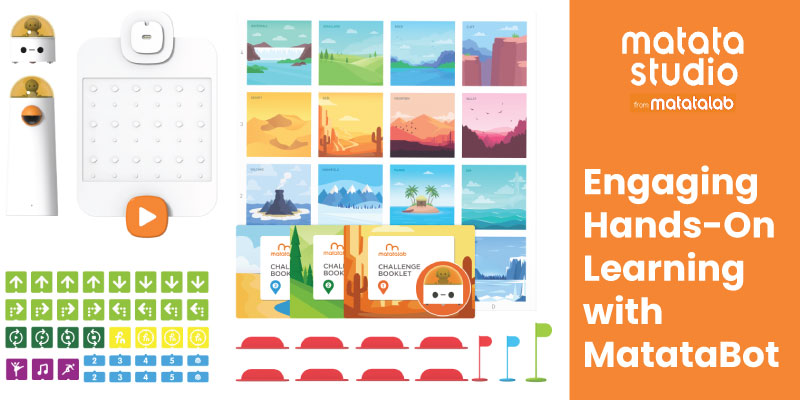
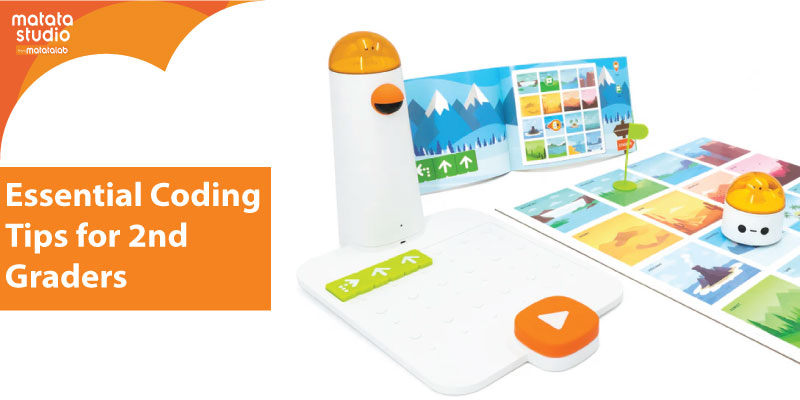
MatataStudio is a comprehensive learning platform that utilizes a unique blend of tangible coding blocks and a friendly robot, MatataBot, to introduce children to the fundamentals of coding. Through playful activities and interactive lessons, MatataStudio empowers students to develop critical thinking, problem-solving, and computational skills through hands-on coding experiences.

Drawing Arabic Numbers with MatataLab Coding Set

The MatataLab Coding Set, a core component of MatataStudio, offers a hands-on approach to learning Arabic numbers. Students can physically manipulate the coding blocks to create sequences that direct MatataBot to draw specific shapes, including Arabic numbers. This engaging process not only reinforces their understanding of number shapes but also introduces them to basic coding concepts like sequencing, loops, and commands through hands-on coding experiences.

This lesson plan utilizes MatataStudio to introduce students (aged 6-7) to Arabic numerals in a fun and interactive way.

Introduction (5 minutes)
Warm-up: Briefly discuss numbers with the students. Ask them to show different numbers with their fingers and write a few Arabic numerals on the board.
Introducing MatataStudio: Briefly introduce MatataStudio as a way to learn coding through play. Explain that they will be using MatataLab Coding Blocks and MatataBot, a friendly robot, to draw Arabic numerals today.

Comparing Numbers (5 minutes)
Show students examples of handwritten Arabic numerals and numerals drawn by MatataBot. Discuss any similarities and differences they might observe (e.g., thickness of lines, perfectly straight lines). MatataBot-produced numerals tend to exhibit uniform line thickness and perfectly straight lines, attributed to its programmed precision. Despite these disparities, both representations provide students with hands-on coding experiences.

This comparison helps students understand that MatataBot follows specific instructions to draw, and highlights the concept of coding

Teacher Demonstration (10 minutes)
Simple Number Example: Using the MatataLab Coding Blocks, demonstrate how to program MatataBot to draw a simple number, like number 1. Explain each coding block used (e.g., “Move Forward,” “Turn Right”).
Run the program: Let the students observe MatataBot drawing the number 1 based on the coded instructions.

Independent Activities (30 minutes)
Challenge 1: Coding Numbers 0 & 7 (15 minutes): Divide students into pairs and provide them with MatataLab Coding Blocks. Challenge them to collaborate and determine the programs required to draw numbers 0 and 7 using the blocks. Encourage experimentation with various block combinations to foster hands-on coding experiences.
Challenge 2: Drawing Numbers 2-9 (15 minutes): Provide students with pre-written programs for numbers 2 and 3. Ask them to use these programs to code MatataBot to draw these numerals. This helps them understand program structure and practice following instructions.

STEM Toys by Matatalab That Make Kids Smarter

Coding Concepts (10 minutes)
Introducing Loop Blocks: Briefly introduce the concept of loop blocks, which allow for repeating a set of instructions. Explain how loop blocks can be helpful for drawing shapes that require repeated movements (e.g., number 8).

Challenge Activity (5 minutes)
Coding Birthdays: Challenge students, individually or in pairs, to code their birthday dates using the MatataLab Coding Blocks. This encourages creative problem-solving and reinforces their understanding of sequencing and program structure.

Wrap-up & Reflection (5 minutes)
Review: Briefly review the key concepts covered in the lesson, like comparing handwritten and coded numerals, using coding blocks, and the concept of loop blocks.
Sharing & Reflection: Encourage students to share their birthday date programs and discuss any challenges they faced. Ask them to reflect on what they learned about Arabic numerals and coding.

Extension Activities (Optional)
Students can create their own number programs for more complex shapes. Challenge them to code letters of the alphabet.

By combining the tangibility of coding blocks with the interactivity of MatataBot, MatataStudio offers a compelling and effective way to introduce young learners to the world of Arabic numerals and coding. Through this engaging process, students develop a foundational understanding of mathematical concepts while simultaneously fostering creativity, problem-solving abilities, and computational thinking skills through hands-on coding experiences.

Contact us

Fill in your details below or send us an email on info@knowledge-hub.com

Excellent Opportunity to Code, Build, and Learn with LEGO® Education SPIKE™ Prime

Excellent Opportunity to Code, Build, and Learn with LEGO® Education SPIKE™ Prime

In education today, a big change is happening. Teachers are looking for better ways to teach STEM subjects like science and math. LEGO® Education SPIKE™ Prime is leading the way. It combines classic LEGO® bricks with high-tech robotics and easy coding. This blog post explores what SPIKE™ Prime is all about, focusing on how the Large Hub helps make cool creations. SPIKE™ Prime lets kids build robots and learn to code in a fun way. The Large Hub is like the brain of the robot, controlling everything. With LEGO® Education SPIKE™ Prime, kids can learn important skills while having fun with STEM education.

LEGO® Education SPIKE™ Prime: A Catalyst for Learning

Designed for students aged 10 years and above, transcends the boundaries of traditional learning experiences. It empowers students to act as designers, builders, and programmers, fostering a comprehensive understanding of robotics principles.

Intuitive Construction: The system leverages familiar LEGO® Technic components, facilitating a user-friendly construction process. Students can easily put together beams, gears, and motors to make lots of different robots. They can build robots that walk or robots that sort things. It’s a fun way for kids to use their imagination and create cool stuff.

Engaging Programming: SPIKE™ Prime extends beyond mere construction. The accompanying SPIKE App fosters a welcoming environment for students to program their creations using a drag-and-drop interface. This interface utilizes visually appealing blocks that represent commands such as “move forward” or “detect color,” transforming coding into an accessible and rewarding endeavor.

Real-World Application: LEGO® Education SPIKE™ Prime transcends the realm of theoretical learning by empowering students to address real-world challenges. Through the incorporation of sensors like color detectors and touch sensors, robots gain the ability to interact with their surroundings, fostering adaptability and responsiveness. This, in turn, cultivates critical thinking and problem-solving skills.

LEGO® Technic™ Large Hub for SPIKE™ Prime

The Large Hub: The Powerhouse of Functionality

The LEGO® Technic Large Hub serves as the cornerstone of any SPIKE™ Prime creation. This programmable brick boasts an array of features that orchestrate the robot’s operations:

Connectivity Hub: The Large Hub features six input/output ports, facilitating the connection of diverse sensors and motors. This expands the horizon of possibilities for students to customize their robots’ functionalities.

Sensory Perception: Embedded sensors, including a gyroscope and a 6-axis gyro, equip the Large Hub to enable robots to perceive their environment and respond accordingly. Imagine a robot that maintains balance or navigates a maze – all thanks to the sophisticated capabilities of the Large Hub!

 Illuminating Creations: A 5×5 LED light matrix adorns the Large Hub, adding another layer of creative expression. Students can program the lights to display messages, signal actions, or simply enhance their robots’ visual appeal.

Wireless Freedom: Bluetooth connectivity, a hallmark of the Large Hub, facilitates wireless communication between the robot and the SPIKE App. This eliminates the need for cumbersome cables, streamlining the programming process.

Uninterrupted Exploration: The Large Hub is equipped with a rechargeable lithium-ion battery, ensuring extended operation for both the Hub and the robot. This uninterrupted power supply fosters continuous learning and exploration.

A Symbiotic Relationship: Where Creativity Meets Technology

The synergy between the SPIKE™ Prime set and the Large Hub is the cornerstone of this system’s efficacy. Let’s explore how this potent combination benefits students:

STEM Skill Development: LEGO® Education SPIKE™ Prime available in schools across Dubai, fosters the development of critical STEM skills. Students gain valuable insights into mechanics, sensor technology, coding logic, and problem-solving – all while experiencing the joy of creation.

Enhanced Confidence: The process of building and programming their own robots instills a sense of accomplishment in students, boosting their confidence. Witnessing their creations come to life is a truly empowering experience.

Collaborative Learning: LEGO® Education SPIKE™ Prime is ideally suited for both individual and collaborative learning environments. Students can work together to design, build, and program robots, fostering teamwork and communication skills.

Future-Proof Learning: The skillsets acquired through LEGO® Education SPIKE™ Prime are highly relevant in today’s world. As technology continues its exponential growth, the ability to code, understand robotics, and solve problems effectively will be paramount for future success.

LEGO® Education SPIKE™ Prime, with the Large Hub as its central processing unit, offers a compelling solution for educators and parents alike. It ignites a passion for creativity, discovery, and innovation in students, preparing them for the exciting opportunities that lie ahead. So, embark on this journey of exploration – embrace the power of LEGO® Education SPIKE™ Prime and unlock the potential within!

Contact us

Fill in your details below or send us an email on info@knowledge-hub.com