

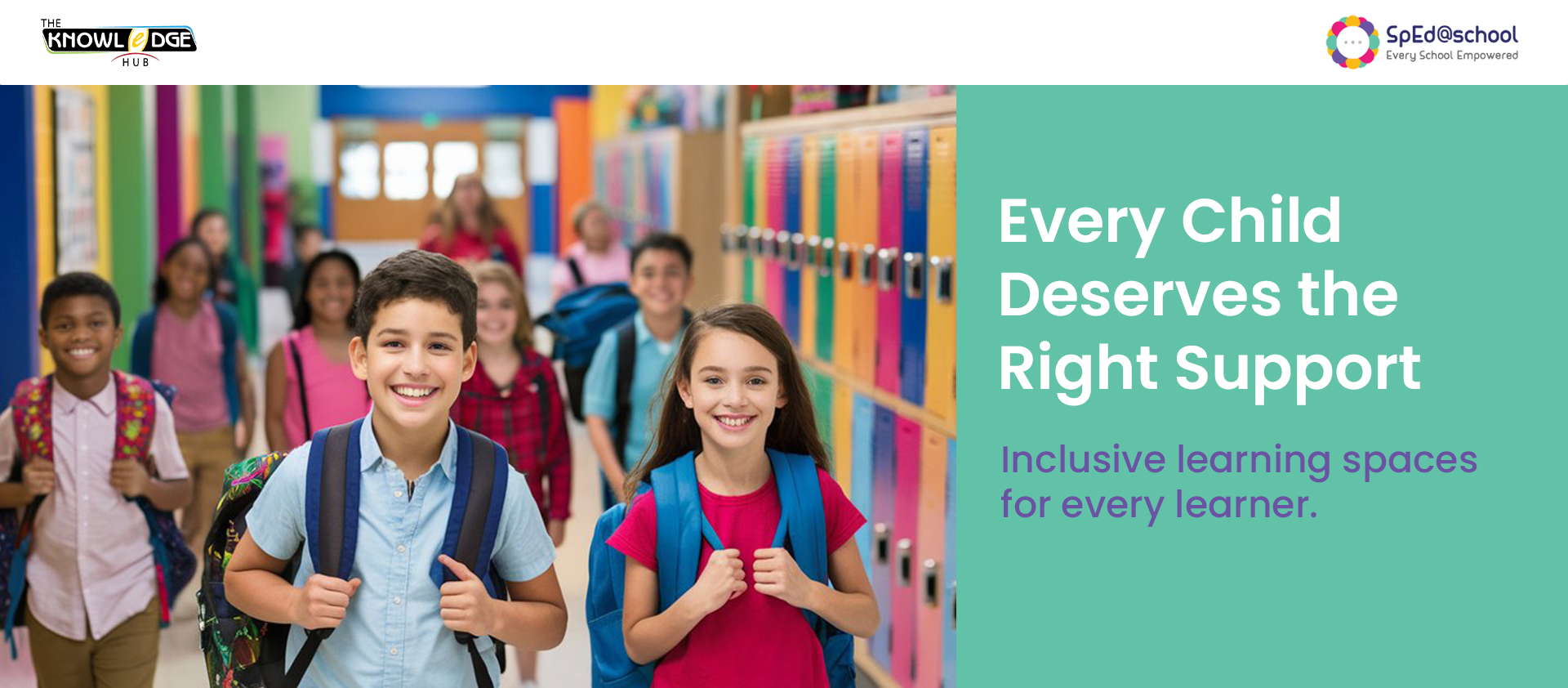
Every child deserves the opportunity to learn, grow, and thrive in an environment that understands their unique needs. As schools continue to embrace inclusive education, creating supportive learning spaces for neurodiverse learners has become more important than ever.
Inclusive classrooms are not just about accessibility — they are about ensuring every child feels valued, supported, and empowered throughout their learning journey. This is where structured learning environments, sensory engagement, and personalized educational support can make a meaningful difference.
Understanding the Importance of Inclusive Education
Children with special learning needs often require teaching approaches that go beyond traditional classroom methods. Some students benefit from sensory-rich experiences, while others may need personalized interventions, therapy support, or interactive learning activities to stay engaged and confident.
Schools that prioritize inclusion create environments where students can:
- Learn at their own pace
- Develop communication and social skills
- Build confidence and independence
- Participate actively in classroom activities
- Feel emotionally safe and supported
By adopting Inclusive Learning for Special Needs Students, schools can ensure that education becomes more accessible, meaningful, and engaging for every learner.
Creating Supportive Learning Environments
An inclusive learning environment focuses on the overall development of the child rather than only academic performance. Sensory-friendly classrooms, therapy-integrated activities, and interactive learning tools help students improve focus, attention, emotional regulation, and motor skills.
Modern learning spaces are now being designed to support:
- Multi-sensory learning experiences
- Cognitive skill development
- Fine motor and coordination activities
- Structured interventions
- Personalized learning approaches
These environments encourage children to explore, interact, and learn through hands-on experiences that match their individual learning styles.
The Role of Sensory Learning
Sensory learning plays a major role in helping children process information effectively. Interactive activities involving movement, visuals, sounds, and touch can help students stay engaged and improve concentration.
For many neurodiverse learners, sensory-based activities provide opportunities to:
- Improve attention span
- Develop communication skills
- Strengthen emotional regulation
- Enhance social interaction
- Encourage independent participation
When children feel comfortable and supported, learning becomes a more positive and enjoyable experience.
Supporting Educators and Schools
Inclusive education also empowers teachers and school support teams by providing better tools and strategies to understand student needs. Structured learning systems and therapy-supported activities help educators create more engaging and adaptable classrooms.
Schools that invest in inclusive learning solutions can:
- Strengthen student support systems
- Improve classroom participation
- Encourage collaborative learning
- Support individualized education plans
- Build a more inclusive school culture
Most importantly, inclusive schools help children feel accepted, respected, and confident in their abilities.
Building a Future Where Every Child Thrives
Education should never be limited by differences in learning styles or developmental needs. Every child deserves access to opportunities that help them discover their strengths and achieve meaningful progress.
By embracing Inclusive Learning for Special Needs Students, schools can create nurturing environments where children develop not only academically, but socially, emotionally, and independently as well.
Inclusive education is more than a teaching approach — it is a commitment to understanding, empathy, and empowering every learner to reach their full potential.