

How to Motivate Students To Do Their Homework

How to Motivate Students To Do Their Homework

How to Motivate Students To Do Their Homework

Every parent wishes to give his or her child access to the best level of education. However, with good education comes a great amount of homework and coursework. This ends up causing tons of anxiousness and lack of motivation among students. In order to be successful at school, every student needs to take a keen interest in the homework given by teachers. While this doesn’t mean you spend hours hand-holding them, you can support and encourage them in multiple ways. Motivating your students with their homework will not only help them understand subjects better but also act as a great bonding tool. Here are a few ways you can successfully encourage your child to finish their homework in an effective manner.

#1 Explore the Next Learning Platform

The generation of students today is different and hence they require different tools and features to effectively study and do their homework. This is why using the Next Learning Platform is a highly impactful idea. Numerous educators across Dubai, UAE, GCC and the Middle East are using this platform to not only conduct live lessons and assign homework but to also track homework and performance of individual students.

#2 Create a homework friendly space

Setting up a dedicated space for your kids to do their homework is very important. It not only promotes increased focus but also creates an environment where your kids feel comfortable studying. This space should have supplies like pens, pencils, an eraser, a stapler etc. so they do not have to get up every now and then.

#3 Decide regular ‘homework hours’

Some kids like to finish their homework right after school, some wait until they get a snack and some do it after dinner. Every child is different and works best at different hours. So, it is important to create a schedule for homework and follow it religiously. This will encourage increased retention and promote persistence and discipline among them.

#4 Avoid creating any distractions

While your child is finishing their coursework, make sure you don’t cause any distractions by speaking too loudly on the phone or switching on the TV that is in line with their vision. By keeping distractions to a minimum, you’re allowing your child to concentrate.

#5 Praise their hard work

Kids thrive through positive reinforcements. So, always make it a point to recognise their efforts and praise them as well. Make it a point to mention their academic achievements or applaud their completed homework in front of the family. This simple practice lays a highly positive impact on students and motivates them to study often.

#6 Remember to take breaks

It’s unhealthy for your child to over-function and under-perform. This is why it is important for them to take breaks between their homework. You can create a schedule wherein after each subject they can take a small break and do whatever they like. In this way, the child will not feel overburdened or exhausted.

#7 Know the teacher

This may sound like a no-brainer but it is critical when it comes to the overall performance of your kid. Having a comfortable relationship with the teacher allows you to understand their teaching pattern and in turn, helps your child comprehend the kind of homework they give effectively.

These are just a few steps out of the many that you can try in order to motivate your child to do their homework. To help your kid be at par with the global standards of education, it is important for parents and guardians to actively take interest in their child’s education and encourage them to do better every step of the way.

Contact us

Fill in your details below or send us an email on info@knowledge-hub.com

Essential Rules To Reduce Screen Time For Kids

Essential Rules To Reduce Screen Time For Kids

Essential Rules To Reduce Screen Time For Kids

Today everything in the world has gone digital, which is why, our kids spend more time in front of the screen than outside in the backyard. This ever-growing pattern proves that children and pre-teens across the globe are getting more and more addicted to their digital devices with every passing day. While it is important for kids to be technologically savvy but it is equally vital for them to reduce their excessive screen time. The solution here is to strike a balance between the two by drawing out some interesting ways to reduce screen time for kids. However, first, let’s understand why excessive screen time is something parents should be concerned about.

While digital devices are a significant part of many children’s lives now, long hours in front of the screen can cause a whole range of health issues such as chronic fatigue, exhaustion, headaches, neck and shoulder pain, strained eyes and much more. While cutting off total access to digital devices is impossible now, here are some interesting ways to limit their usage.

#1 Create ‘technology-free’ zones

Children today have the habit of carrying their smartphones or tablets wherever they go. It is ideal to establish zones in your house that are strictly technology-free. For example, no cellular devices, video games or tablets are allowed in the kitchen or the dining room. Those areas are reserved just for healthy family discussions.

#2 Make use of their screen-time productively

While children today simply cannot escape technology, parents can make sure they are making good use of it. For example, parents and educators across Dubai, UAE, GCC and the Middle East are signing their kids up on CodeMonkey where they can learn coding online in a fun, engaging and interactive manner in a game-based environment. In this way, they can make good use of their time in front of the screen.

#3 Set a ‘Digital Detox’ time

Set aside some amount of time during the day when the entire family has to unplug from any and all digital devices. This time can be used to catch up with family members and spend quality time together. However, it is important for the entire family to follow this rule and not just make the children do it.

#4 Explain the reason behind limited screen-time

Children today are much smarter than we think. Don’t cut off their access to technology without giving them a legitimate reason. They might consider this treatment ‘harsh’ or ‘mean’ and resist your efforts to limit screen time. Instead, make them understand the disadvantages and the harmful consequences of digital explosion. In that case, they are more likely to follow the rules you have set.

#5 Encourage offline activities

Encourage your child to participate in activities that do not require a screen. In today’s scenario, it is so easy for your kid to become reliant on technology for entertainment. This is why you must encourage activities like reading a book, playing sports, exploring nature etc. A good way of making them interested in offline activities is to practise them yourself. Children have the tendency to model their parents. If they see you enjoying a basketball game in your backyard, they are more likely to participate themselves.

Putting down the phone is certainly a challenging task for many young children today and it is a growing concern among parents. This is why setting some ground rules to limit screen time can help you and your child strike a balance between healthy access to technology and offline activities.

Contact us

Fill in your details below or send us an email on info@knowledge-hub.com

The Role Picture Books Play In Your Child’s Overall Development

The Role Picture Books Play In Your Child’s Overall Development

The Role Picture Books Play In Your Child’s Overall Development

Do you remember the first book you ever read as a toddler? We bet it must have been a picture book, full of colorful illustrations of birds, flowers, and fruits, depending on your interest at that time. Picture books are suited for beginners who haven’t yet learnt their ABC’s, but are intrigued to discover a new vegetable or the name of a kitchen appliance by adding to their oral vocabulary.

Children have a photographic memory and can remember things by looking at the object or its picture in a book. Hence, let’s not undermine the importance of a good ‘picture book’. If you haven’t introduced one to your kiddo, below are a few good reasons to go for it now:

#1 Vocabulary Enrichment

Repeated exposure is what kids need when they are young, so that they get the confidence to identify anything that is shown to them and then talk about it in more detail. By the age of 3 years, children should have a rich vocabulary of 200-300 words, and a good way to add words to the child’s bank is by introducing them to multiple picture books. Also, while learning letters via the phonetic method, children learn to associate the letter sound /a/ to apple and /b/ for ball. There are plenty of picture books that teach kids letters and their associated words in a fun & interesting way.

#2 Making Stories More Interesting

We all know this famous idiom, a picture is worth a thousand words! Kids love stories, especially ones that have many pictures. By simply turning the pages of a fairytale book, one is transported into magic land, where unicorns fly. Children meet characters through stories, and learn good habits from Paddington the bear and Winnie the Pooh. The all-time classic ones are Goldielocks, Cinderella, and The Ugly Duckling, amongst many others. Allow kids to browse through the book, though they can’t read the one-liner captions. Let kids share what they understood from the story and hear how they interpreted the story and its moral.

#3 A Habit for Reading

Former Microsoft CEO Bill Gates attributes his secret of success to his habit of being able to read around 50 books a year. And the famous Tesla owner, Elon Musk, read for 10 hours a day, before he became the world’s richest person. Inculcating the habit of reading should be started as early as possible. Even though it’s just a picture book, make sure your child dedicates 30 minutes each to reading-time. This will help them continue the practice, even when they’ve grown to become teenagers and learn to appreciate books.

#4 Emotional Maturity

Understand that your child is not just growing physically but also mentally and emotionally. To invoke emotions such as joy, empathy, self-control, etc. children need to experience related life situations or read a good picture book that brings up these emotions. A mystery or thriller edition like ‘Nancy Drew’ will get children to experience excitement, terror, and surprise, while a story like ‘The Boy Who Cried Wolf’ will lead to expressing some other emotions such as; sadness, anger, and laughter. Explain to your kid which emotions are healthy and which ones are not healthy. For example, anger should be kept at bay by training the mind to focus on other productive things.

Reading-Eggs_ Products

So, are you excited to gift your kiddo the childhood they deserve? Picture books are invaluable tools that have multiple benefits, such as improving vocabulary, building understanding of important things, and evoking emotional intelligence. Wondering where to find interesting books with illustrations?

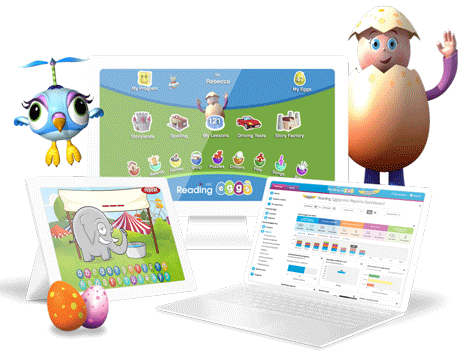
Reading Eggs is a great place to start your child’s reading journey. This is a unique online programme available in Dubai, the GCC regions and other countries across the globe, with the aim of promoting interest in books amongst children. The readers are free to progress at their own rate and partake in exciting quizzes and challenges at the end of the story. Most schools in the Middle East, recommend Reading Eggs to support the students’ academic progress. Their growing collection of picture books is a must-read for every enthusiastic reader. For more information about downloading Reading Eggs in the UAE, visit our website: :link:

Contact us

Fill in your details below or send us an email on info@knowledge-hub.com

Talking Kids Through The Importance Of Money and Money Matters

Talking Kids Through The Importance Of Money and Money Matters

Talking Kids Through The Importance Of Money and Money Matters

Money isn’t everything, but everything needs money! People spend their early years studying and securing a degree so that they can build a career with a secure financial soundness.

Students are introduced to the concept of money as early as kindergarten. They learn what currency are, the different currencies of the world, and how to count money. Children are even encouraged to apply their knowledge practically by interacting with the billing desk person at a grocery store and asking for the correct amount in change.

Along with learning the ability to use money, children must be taught lessons that highlight managing money wisely. Introducing the concept of savings at an early age is going to help in the long run and make the individual more responsible. Here are a few techniques that you can adopt to give your kid a head start on money matters and investment.

#1 Piggy Bank

This is an old-time classic that never fails anyone. Inculcate a habit by explaining to your child that adding extra pocket money to a piggy bank is a good idea, as these savings will grow over time and come in handy when they are needed.

#2 Be a Role Model

Though it’s a bit too much to explain to a 6-year-old what mutual funds and debentures are, the minimal they need to know is about a bank and a savings account. Every time you go to deposit a cheque at the bank, talk to your child about why money is being given to the bank. Explain to them that a bank is an institution which keeps your money safe and provides incentives for savings.

#3 Spending On Necessities

Though online shopping has made life easier, as everything is available at the click of a button, it has many cons. Shoppers spend more than they need to on unnecessary items, just because they get lured by the attractive display of them on a shopping website. Make a point to teach your kids that if they spend unnecessary money on the latest game, they might not have enough left to purchase a pair of shoes which they really need. Spending money on what’s important, and not on random desires, is a lesson that is the need of the hour.

#4 Earn Money

No matter how young kids are, make them do some tasks around the house and let them earn their own money. They need to understand the value of money, so that they don’t rely on asking for it, but work hard to earn it. Allocate simple chores like gardening plants or cleaning the cupboard, and incentivize the task.

#5 The Importance of Giving

Just as you’ve taught the value of saving and earning, students must understand the concept of charity and giving. Going beyond friends & family, and teaching kids that there is a world out there waiting to get some help, can open the child’s consciousness at an early age. Go together to charity events, join an NGO, visit local old-aged homes, and let your kids experience the joy on a stranger’s face, when you give just a bit of money & time.

#6 Budgeting Lessons

Every household allocates a monthly budget for home expenses and alters expenditure based on this sum. Let children be involved in the house budgeting process. Explain and talk about the different categories under which you have allocated expenses; groceries, electricity charges, rentals, and other miscellaneous overheads. If a 5-year-old can learn coding, why not teach him a bit of budgeting!

#7 Savings for Life Events

When you set aside a considerable amount of your savings for future events like your child’s education abroad or their marriage, make them aware of the same, so that they can follow the practice when they become earning adults and have families. Talk to them about the concept of loans and tell them why it’s not a great idea to borrow money which you can’t repay. Let them save a bit for their own education too

So, now that you are aware of the points that need to be discussed for securing the child’s financial future, take help of the Mathseeds app.

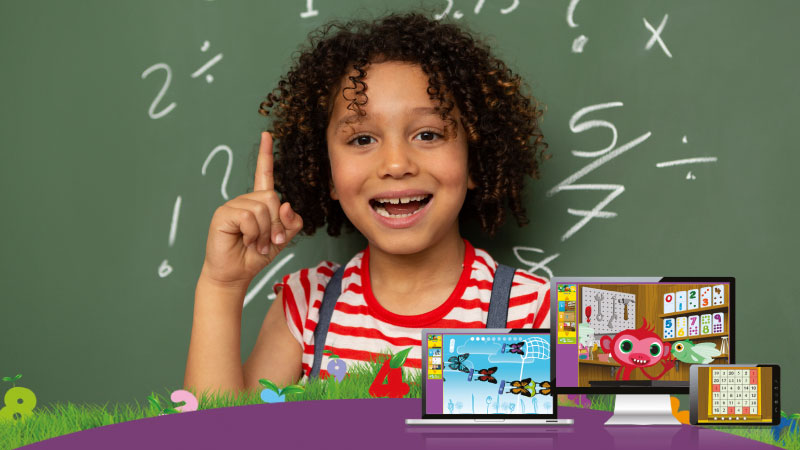
Mathseeds is an engaging online math platform that supports hybrid learning at home and within the classrooms. Mathseeds has earned the trust of students all over the world, including those in Dubai and other GCC regions. By adopting Mathseeds, students learn important problem-solving concepts that are applicable in real life scenarios. Simply download the Mathseeds app on your phone or iPad and get working with the fun activities, number challenges, and earn rewards for participating.

Contact us

Fill in your details below or send us an email on info@knowledge-hub.com

Introducing Educational Drones To Strengthen STEAM Learning

Introducing Educational Drones To Strengthen STEAM Learning

Introducing Educational Drones To Strengthen STEAM Learning

It is a whole new world out there when it comes to education for your child there are skills now accessible that would never be considered 5 years ago. With the onset of new age learning it is extremely important to get with the trend or you actually might be left behind. Countries like Dubai and other countries in the Middle East have been rapidly adopting to these new trends. Just like the apple helped newton discover gravity, with Robotify Students around the world are no longer in classrooms, but rather using digital tools with their parents to enhance learning in this similar time of global relevance.

We don’t expect your eight-year-old to find gravity or cure the world’s problems, but now is a fantastic time for kids to learn how to code using virtual robots and become the next generation’s great makers. We are in the midst of a worldwide crisis that has shocked the world in recent weeks. Schools around the world have been closed as a result of the COVID-19 epidemic. As schools close, students lose access to shared classroom robotics. As a result, we’ve made a decision to assist in the development of thousands of young Isaac Newtons.

This is a difficult time for parents, especially when it comes to planning activities for their children. Robotify has a unique position to ensure that behavioral solutions such as self-isolation are easier and more successful for children and remote parents. In countries like Singapore and Germany, these technologies are currently very effective.

Because of the creative courses on the Robotify platform, we are confident that we can free you, the parent. What exactly does that imply? It means you can get critical work done while providing your kids something to focus on that is both enjoyable and intuitive.

Drone Racer and Drone Park ( Virtual)

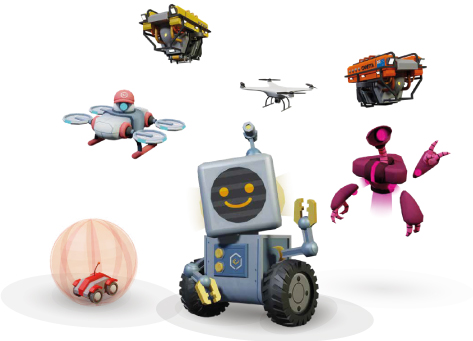
Participate in the drone racing trend without first purchasing an expensive drone. Explore the Drone Park and its Drone Racer wicket course, scouting and taking photos in preparation for the big night race. Create programmes that employ arrays to programme your drone racer’s racing course. Create your own image storage system to capture, store, and retrieve photographs. On your route to victory, fly through Drone Park wicket by wicket!

There will undoubtedly be difficulties and difficulties ahead, but we hope that children around the world will inspire change and use this chance to learn about new concepts and how technology can be used to enhance people’s lives.

We also get to look at why countries like Dubai want to implement these methods of education as soon as possible. Drones are simply fun and here’s a list of other reasons why educational drones are essential for learning.

Their brains are technologically wired.

Today’s children grow up with technology in ways that we never did. When students take drone lessons and fly them for the first time, those developmental neural circuits provide them a big edge. This is especially true for students who have spent any amount of time playing video games. The cognitive and physical skills are typically present; it is only the confidence that is lacking.

Drones provide a huge reprieve for math teachers.

There is a belief that individuals find arithmetic difficult because the language of mathematics was invented so recently. I.e., the language we use to communicate with one another has evolved over time, but it dates back 30-100,000 years. As a result, it feels more natural or intuitive. It is unclear when mathematics was discovered or invented, but it was most likely no more than 3,000 years ago. Regardless of how correct the theory is, we all know that maths is not a lot of people’s favourite subject in school. Drones allow Math professors to bring the abstract to life for their students. Students can compute distances, analyse graphs, and use data generated through simple flying simulations.

Drones for Education Allow Intrinsic Motivation to Take Over

A technology that kids are intrinsically encouraged to use in the classroom is a godsend for any teacher. People must have spontaneous interest or eagerness to investigate for intrinsic drive to be attainable.

Teachers can easily learn how to use drones.

Teachers are frequently forgotten in the rush to integrate drone STEM curriculum in classrooms. Teachers, in particular, are not specialists in the technologies they must deploy. This might be overwhelming on top of everything else that goes into making a classroom work.

Drones Make Creating Student-Centered Classrooms Simple

Students are more independent and autonomous in a student-centred learning environment. The emphasis is shifted from the teacher to the students. As they select what and how things will be done, this type of learning is also incredibly formative in helping youngsters shape their decision-making and cooperative skills.

Drones Assist Students in Understanding Data

Data is already abundant, and firms and governments are racing to develop sophisticated algorithms to make use of it. As adults, we were taught data in science and math classes, and it was taught in a pretty traditional way. We had to figure out what this new pervasive level of data in the modern world was all about.

Contact us

Fill in your details below or send us an email on info@knowledge-hub.com