

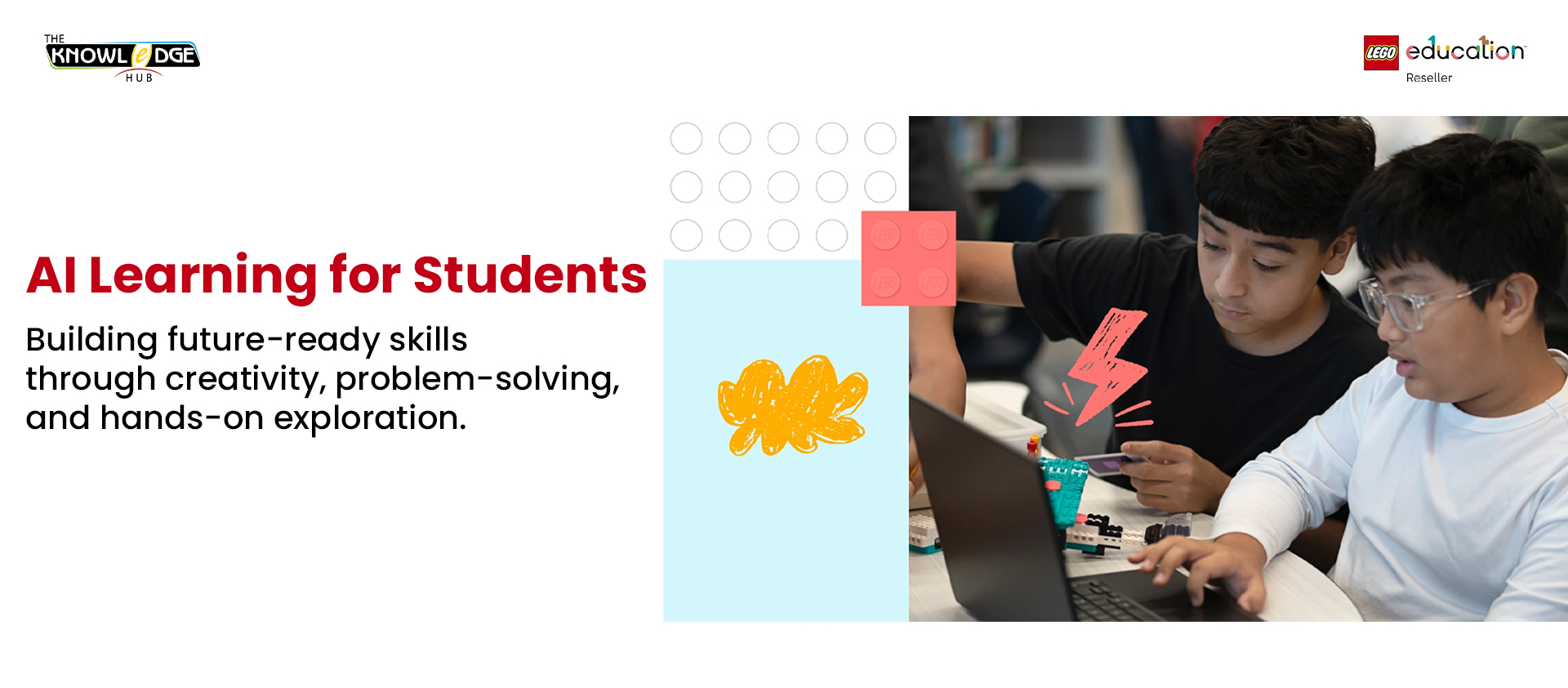
Artificial Intelligence (AI) is transforming the way we live, work, and learn. From smart assistants and recommendation systems to healthcare and automation, AI has become an important part of everyday life. As technology continues to evolve, helping students understand AI concepts from an early age is becoming essential.
AI learning for students is not about turning every learner into a programmer. It is about helping students understand how intelligent systems work, develop problem-solving skills, and build confidence in using emerging technologies responsibly.
With the right learning approach, students can explore AI concepts in a simple, engaging, and meaningful way—without requiring any previous coding experience.
Making Artificial Intelligence Accessible for Every Student
Many students and educators assume that learning AI requires advanced programming knowledge. However, modern AI education focuses on exploration, creativity, and understanding real-world applications rather than only technical skills.
AI learning allows students to discover how machines collect information, recognize patterns, make decisions, and respond to different situations. Through hands-on activities and guided learning experiences, students can develop a strong foundation in AI concepts while connecting technology with real-life challenges.
By introducing AI in classrooms, educators can create opportunities for students to become active creators of technology instead of only consumers.
Building Essential Skills Through AI Education
Artificial Intelligence learning goes beyond understanding technology. It helps students develop important skills that are valuable for the future.
Understand AI Systems
Students explore how AI-powered systems work and how they use data to identify patterns and make predictions. This understanding helps learners become more aware of the technology they interact with every day.
Analyze Information
AI education encourages students to think critically about data and information. Learners understand how information is collected, processed, and used to make decisions, helping them develop analytical thinking skills.
Solve Real-World Challenges
AI provides students with opportunities to apply their knowledge to authentic problems. Whether designing solutions, testing ideas, or improving processes, students learn how technology can be used to address challenges around them.
Collaborate and Create Together
AI learning encourages teamwork and communication. Students work together, share ideas, experiment with solutions, and learn from different perspectives—skills that are important in today’s connected world.
The Role of LEGO® Education Computer Science & AI in Classrooms
LEGO® Education Computer Science & AI provides an approachable way for students and educators to engage with artificial intelligence concepts. Through hands-on learning experiences, students can explore AI principles while building, experimenting, and creating solutions.
The learning approach helps remove barriers around AI education by making complex concepts easier to understand. Students can learn through discovery, collaboration, and practical activities that encourage curiosity and innovation.
For educators, AI-focused learning resources provide support in introducing emerging technologies into the classroom while ensuring students develop meaningful skills.
Preparing Students for Tomorrow’s Opportunities
The future will require learners who can adapt, innovate, and confidently work with technology. Introducing AI education early helps students develop the mindset needed to navigate a rapidly changing world.
AI learning for students helps build curiosity, creativity, and critical thinking—skills that extend beyond technology and support lifelong learning.
When classrooms make AI accessible and engaging, students gain the confidence to explore new ideas, solve problems, and imagine possibilities for the future.
Conclusion
Artificial Intelligence is shaping the future, and every student deserves the opportunity to understand and engage with this technology. With the right tools and learning experiences, AI education can become accessible to learners of all backgrounds and skill levels.
By introducing AI concepts in meaningful ways, schools can empower students to become confident digital learners who are ready to create, collaborate, and contribute to tomorrow’s world.