

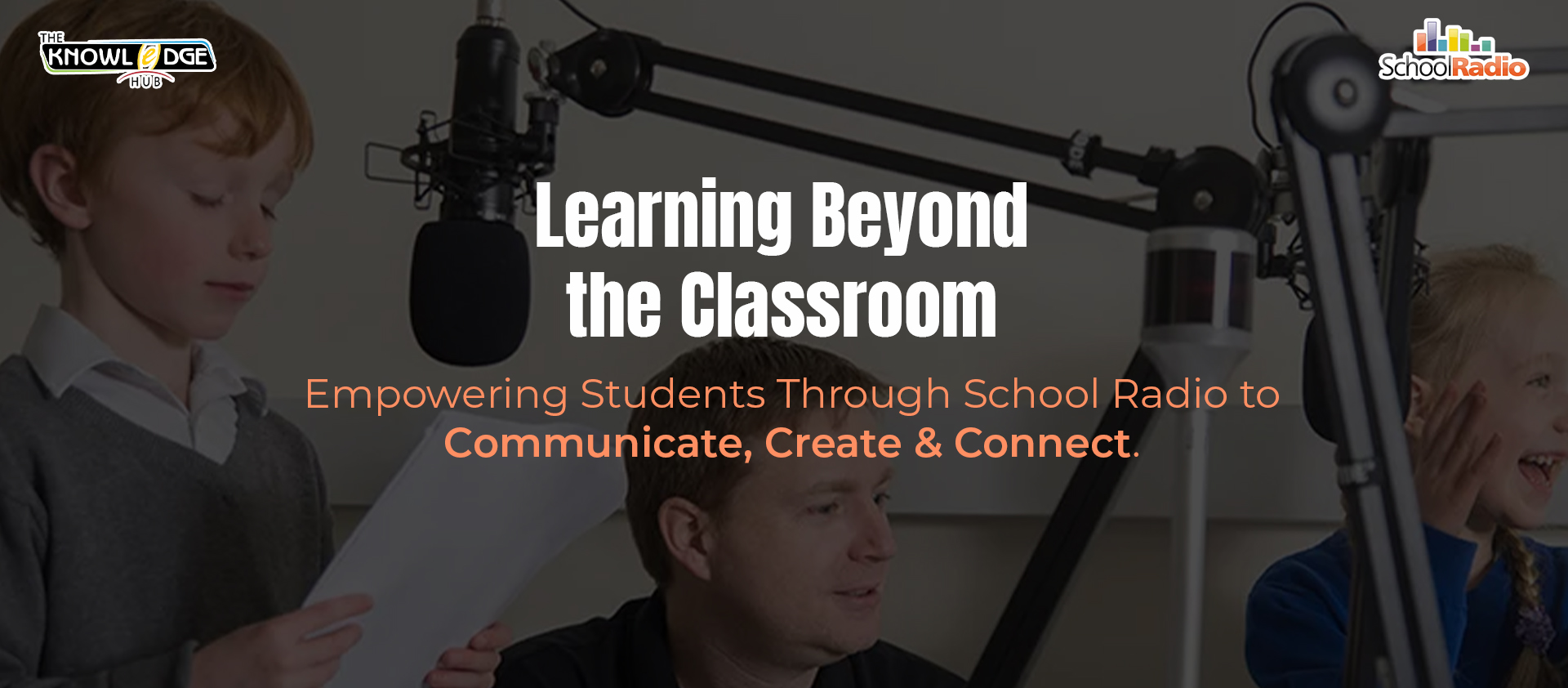
Education today goes beyond textbooks and traditional classroom activities. Schools are increasingly focusing on experiences that help students develop confidence, creativity, communication skills, and the ability to collaborate. One powerful way to achieve this is through Student Engagement Through School Radio, where students actively participate in creating, presenting, and sharing meaningful content.
School Radio transforms students from passive learners into active contributors. By giving them a platform to express ideas, conduct interviews, produce programmes, and tell stories, schools can create an environment where learning continues beyond the classroom walls.
How School Radio Enhances Student Engagement
A school radio station provides students with opportunities to explore different roles such as presenters, researchers, interviewers, editors, and producers. Each role encourages students to take ownership of their learning journey.
Through regular participation, students develop important skills such as:
- Effective communication and public speaking
- Creative thinking and storytelling
- Teamwork and collaboration
- Planning and organizational skills
- Confidence in expressing ideas
These skills are essential for students preparing for a rapidly changing world where communication, creativity, and adaptability play a major role.
Learning Through Real Experiences
Traditional learning often focuses on theoretical knowledge, but students learn best when they can apply concepts in real situations. School Radio creates opportunities for experiential learning by allowing students to plan programmes, interview guests, discuss topics, and create engaging audio content.
Whether students are sharing school news, discussing current topics, hosting interviews, or creating educational podcasts, they gain practical experience that builds confidence and responsibility.
This approach to Student Engagement Through School Radio helps learners understand that their voices matter and that their ideas can create an impact.
Developing Communication Skills and Confidence
Communication is one of the most important skills students need for academic success and future careers. Speaking on a school radio platform helps students overcome hesitation and improves their ability to communicate clearly.
Students learn how to:
- Structure their thoughts effectively
- Speak with confidence
- Listen and respond thoughtfully
- Present information in an engaging way
Over time, these experiences help students become more confident communicators both inside and outside the classroom.
Encouraging Creativity and Student Voice
Every student has unique ideas, interests, and perspectives. School Radio provides a creative space where students can share their opinions, explore new topics, and develop their own style of expression.
From storytelling and music discussions to interviews and educational features, students can create content that reflects their creativity while learning valuable production skills.
By encouraging student voice, schools build a more inclusive and engaging learning environment where every learner has an opportunity to participate.
Preparing Students for Future Skills
The skills developed through School Radio extend far beyond broadcasting. Research, communication, teamwork, problem-solving, and digital content creation are valuable abilities that support students in higher education and future careers.
As schools focus more on future-ready education, platforms like School Radio help bridge the gap between classroom learning and real-world experiences.
Conclusion
Student Engagement Through School Radio creates meaningful learning opportunities where students can explore, create, and communicate with confidence. It turns the learning process into an interactive experience where students develop skills that support their personal growth and future success.
With School Radio, learning does not stop when the class ends. It continues through every story shared, every conversation created, and every student voice that is heard.