

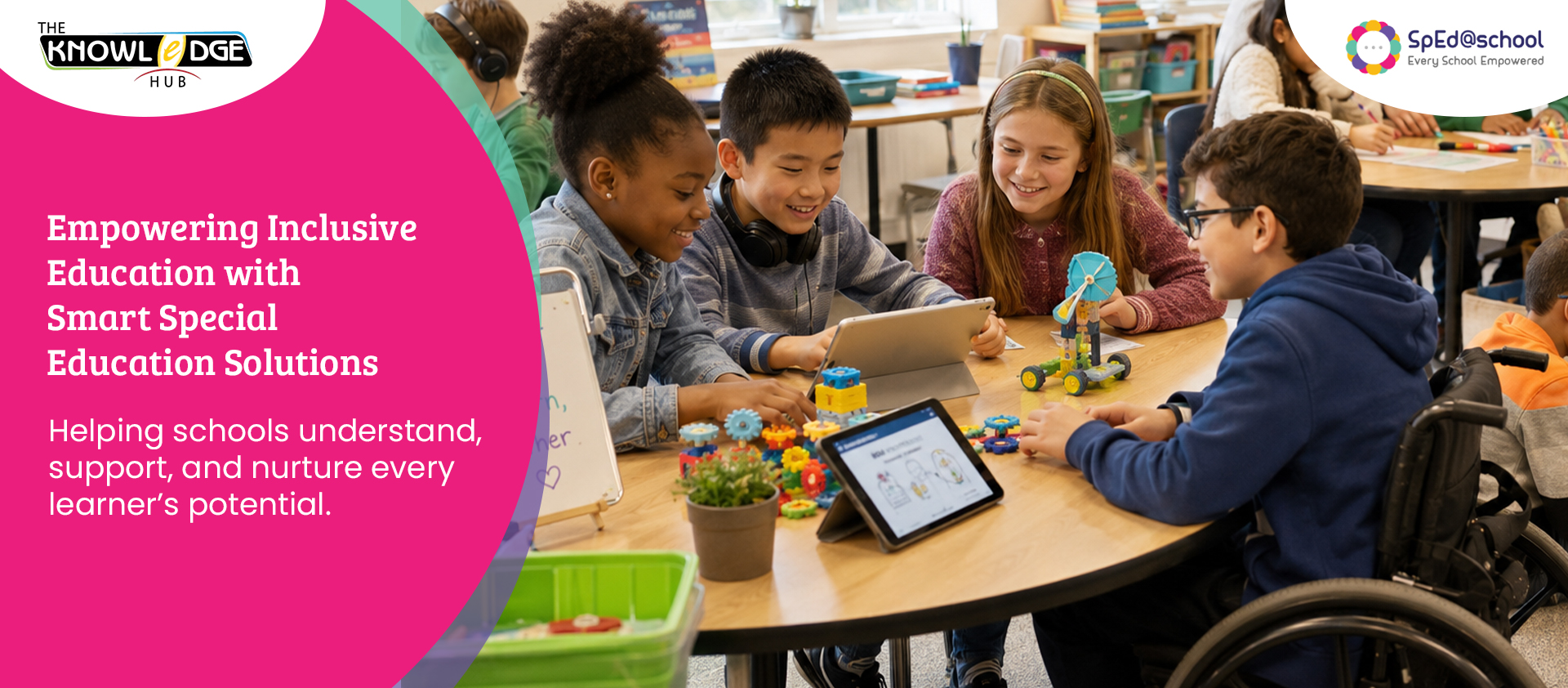
Every child has a unique way of learning, understanding, and expressing themselves. In today’s evolving education landscape, schools are moving beyond traditional teaching approaches to create learning environments where every student feels supported and valued.
Special education is not only about addressing challenges—it is about discovering possibilities, recognizing individual strengths, and providing the right support that enables every learner to succeed.
For schools, creating an inclusive environment requires collaboration between educators, specialists, parents, and administrators. With increasing learner diversity, managing student needs, assessments, interventions, and progress effectively has become an important part of modern education.
The Importance of Inclusive Education in Schools
Inclusive education focuses on ensuring that every learner receives equal opportunities to participate and grow within the classroom. It encourages schools to understand that each student has different abilities, learning styles, and support requirements.
When schools adopt inclusive practices, they create a positive environment where students feel accepted and empowered. Teachers can better understand learner needs, while specialists can provide targeted support strategies that encourage academic, social, and emotional development.
However, maintaining individual learning records, tracking progress, and coordinating between different stakeholders can become complex without proper systems and processes.
Supporting Educators with Better Learning Insights
Teachers play a vital role in identifying student needs and creating effective learning experiences. Having access to organized learner information allows educators to make informed decisions and provide appropriate interventions.
A structured approach helps teachers monitor progress, document observations, and understand how each learner responds to different teaching methods. This enables educators to focus on personalized support rather than relying on general classroom strategies.
Technology solutions designed for special education help schools bring together important information, making it easier for educators and specialists to collaborate effectively.
Enhancing Collaboration Among School Teams
Special education requires teamwork. A student’s learning journey often involves teachers, special educators, therapists, counsellors, and parents working together towards common goals.
A Special Education Management System enables schools to create a connected approach where teams can share updates, monitor development, and maintain consistent support plans. Better communication between stakeholders ensures that learners receive continuous guidance and support throughout their educational journey.
With improved collaboration, schools can identify changing needs faster and provide timely assistance to help students overcome learning barriers.
Tracking Student Growth Through Data-Driven Support
Understanding student progress is an ongoing process. Regular monitoring helps educators evaluate the effectiveness of support strategies and make necessary improvements.
Digital platforms simplify the process of maintaining learner records, tracking interventions, and analyzing progress over time. These insights help schools create personalized approaches that align with each student’s abilities and goals.
By using data-driven methods, educators can focus on what works best for individual learners and create meaningful learning experiences.
Creating Future-Ready Inclusive Schools
The future of education lies in creating classrooms where every learner has the opportunity to participate, develop skills, and achieve their potential. Schools need solutions that support educators while ensuring that students receive the attention and guidance they require.
SpEd@school helps schools, educators, and specialists work together to understand learner needs, track progress, and provide the right support at every stage. By bringing structure, collaboration, and accessibility into special education practices, it empowers schools to build stronger inclusive learning environments.
Conclusion
Supporting every learner requires understanding, collaboration, and the right tools. A Special Education Management System helps schools move towards a more organized and inclusive approach by simplifying student support, improving communication, and enabling personalized learning pathways.
When schools focus on possibilities rather than limitations, they create environments where every child can learn, grow, and achieve success.