

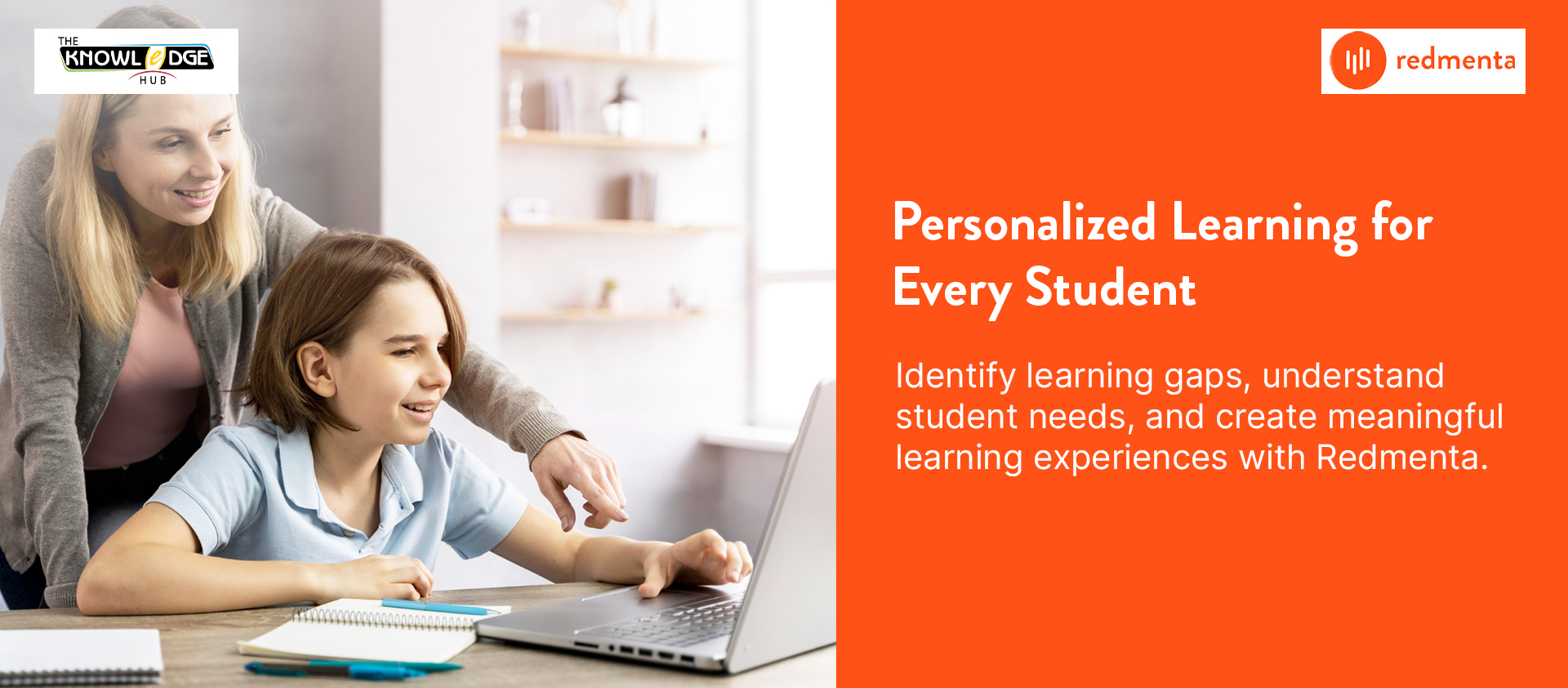
Every classroom is filled with students who learn differently. Some grasp concepts quickly, while others need additional guidance and practice. Some excel through visual content, while others learn best through hands-on activities or discussion. Despite these differences, educators are often expected to deliver the same lesson to every student at the same pace.
This challenge has led schools and educators to explore new approaches that better address individual learning needs. One of the most effective approaches gaining momentum today is personalized learning.
What Is Personalized Learning?
Personalized learning is an educational approach that adapts instruction, content, and learning experiences to meet the unique needs of each student. Rather than treating all learners the same, it recognizes that every student has different strengths, interests, learning styles, and levels of understanding.
The goal is to provide learners with the support they need to progress at their own pace while ensuring they remain engaged and motivated throughout the learning process.
Technology has played a significant role in making personalized learning more accessible and practical for teachers. Digital platforms now enable educators to monitor progress, identify learning gaps, and deliver targeted learning experiences that support individual growth.
Why Personalized Learning Matters
Traditional teaching methods often struggle to address the diverse needs of modern classrooms. When lessons move too quickly, some students may fall behind. When lessons move too slowly, advanced learners may lose interest.
Personalized learning helps bridge this gap by allowing educators to better understand each student’s learning journey. By using data and continuous assessment, teachers can identify areas where students need support and provide timely interventions.
This approach not only improves academic performance but also helps students develop confidence, independence, and a stronger sense of ownership over their learning.
The Connection Between Personalized Learning and Student-Centered Learning
At its core, student-centered learning focuses on placing learners at the heart of the educational experience. Students become active participants rather than passive recipients of information.
Personalized learning supports student-centered learning by giving students more opportunities to engage with content in ways that align with their individual needs and interests. It encourages exploration, collaboration, critical thinking, and self-directed learning.
When students have a voice in their learning journey, they are more likely to remain motivated and invested in achieving their goals.
Benefits for Teachers and Students
Implementing personalized learning creates advantages for both educators and learners.
For Students:
- Increased engagement and motivation
- Learning at an appropriate pace
- Greater confidence and independence
- Improved academic outcomes
- Better understanding of personal strengths and areas for growth
For Teachers:
- Clear insights into student performance
- Easier identification of learning gaps
- More effective differentiation of instruction
- Improved classroom management
- Enhanced ability to provide targeted support
These benefits contribute to a more inclusive and effective learning environment where every student has an opportunity to succeed.
How Redmenta Supports Personalized Learning
Creating personalized learning experiences can seem challenging, especially in classrooms with diverse learning needs. This is where Redmenta helps educators simplify the process.
Redmenta provides digital tools that enable teachers to create interactive learning materials, assess student understanding, and gather meaningful insights into learner progress. By analyzing performance data, educators can identify learning gaps and adapt instruction accordingly.
The platform supports personalized learning by helping teachers deliver targeted activities and feedback while maintaining a student-centered learning environment. This allows educators to focus on what matters most supporting each learner’s growth and development.
The Future of Education Is Personal
As education continues to evolve, schools are increasingly recognizing the importance of meeting learners where they are. Personalized learning is no longer just an educational trend; it is becoming an essential strategy for improving student outcomes and preparing learners for future success.
By embracing student-centered learning approaches and leveraging innovative digital tools such as Redmenta, educators can create learning experiences that are more engaging, inclusive, and effective.
Because when education adapts to the learner, every student gains the opportunity to reach their full potential.