

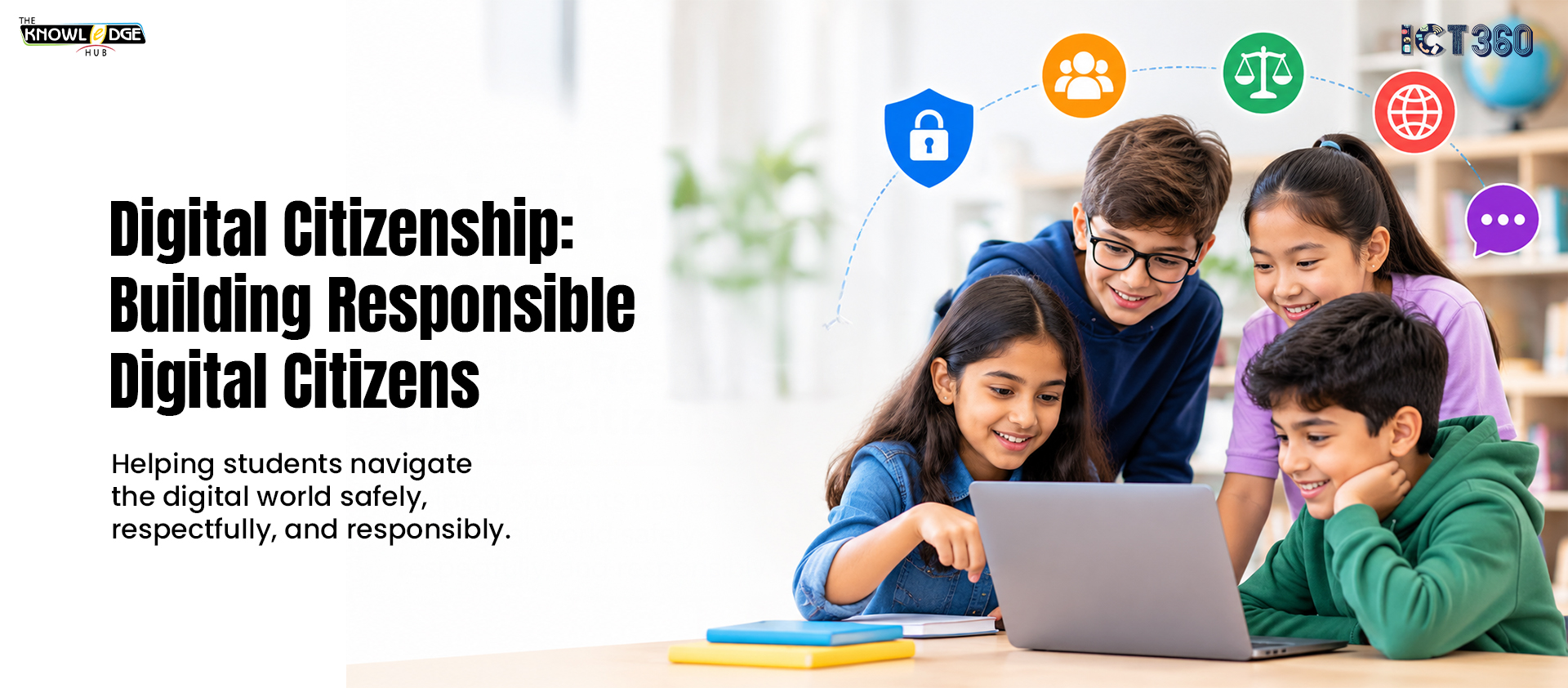
Students today are growing up in a world where digital technology is part of almost everything they do. From classroom research and online learning to social media and digital communication, technology shapes how students learn, interact and share information.
However, knowing how to use a device or navigate an application does not automatically make someone a responsible technology user. Students also need to understand how to behave, communicate and make decisions in digital environments. This is where digital citizenship education becomes essential.
For schools, developing responsible digital citizens should be an important part of a well-rounded ICT learning experience.
What Is Digital Citizenship Education?
Digital citizenship education teaches students how to use technology safely, ethically and responsibly. It helps them understand their rights, responsibilities and behaviour when interacting with others in digital spaces.
It goes beyond basic computer skills and focuses on developing the awareness needed to make informed decisions online.
Digital citizenship for students includes several important areas:
- Respectful communication: Using appropriate language and interacting positively with others online.
- Critical thinking: Evaluating online information and recognising misleading or unreliable content.
- Online safety: Understanding privacy settings and protecting personal information.
- Digital responsibility: Respecting other people's opinions, content and intellectual property.
- Responsible technology use: Making thoughtful decisions about screen time, online activities and digital interactions.
Together, these skills help students become confident and responsible participants in the digital world.
Why Is Digital Citizenship Important in Schools?
Students regularly encounter online information, digital communication platforms and technology-based learning environments. Without proper guidance, they may struggle to identify misinformation, recognise online risks or understand the consequences of their digital actions.
Integrating digital citizenship into school learning helps address these challenges.
1. Builds Awareness of Online Safety
Students need to understand how personal information can be shared, stored and accessed online. Learning about strong passwords, privacy, suspicious links and online risks helps them make safer digital choices.
2. Encourages Critical Thinking
Not everything students see online is accurate. Digital citizenship education encourages them to question information, verify sources and distinguish between reliable content and misinformation.
3. Develops Respectful Digital Communication
Online interactions require the same consideration and respect as face-to-face communication. Students learn about cyberbullying, digital etiquette and the importance of treating others responsibly.
4. Promotes Ethical Technology Use
Students should understand that creating, downloading and sharing digital content comes with responsibilities. Learning about copyright, plagiarism and appropriate technology use encourages ethical behaviour.
5. Prepares Students for the Future
As technology becomes increasingly integrated into education, careers and everyday life, digital citizenship skills help students participate confidently and responsibly in digital environments.
How Can Schools Develop Digital Citizenship Skills?
Digital citizenship should not be treated as a one-time lesson. It is most effective when integrated into everyday ICT learning and classroom activities.
Schools can introduce practical learning experiences that encourage students to:
- Evaluate the credibility of websites and online information.
- Identify potential online scams and suspicious digital interactions.
- Understand how digital footprints are created.
- Practise respectful communication through digital platforms.
- Explore responsible ways to create and share digital content.
- Discuss real-world scenarios involving privacy, safety and online behaviour.
These activities help students connect digital citizenship concepts with situations they may encounter in their daily lives.
The Role of ICT Curriculum in Building Responsible Digital Citizens
A structured ICT curriculum can provide schools with a foundation for developing digital literacy and responsible technology use.
ICT 360 supports a broader ICT learning journey, helping schools introduce technology-related knowledge and skills through structured learning experiences.
By incorporating digital literacy into ICT education, schools can help students develop the awareness and capabilities needed to navigate digital environments more effectively.
The goal is not simply to teach students how to operate technology, but to help them understand how to use it thoughtfully, safely, and responsibly.
Conclusion
Digital citizenship is no longer an optional skill. It is an essential part of preparing students for a technology-driven world.
When schools integrate digital citizenship education into their ICT learning journey, students gain more than technical knowledge. They learn to communicate respectfully, evaluate information, protect their privacy, and make responsible digital decisions.
Because being digitally capable is important, but being a responsible digital citizen matters even more.
Explore how ICT 360 can support your school's ICT learning journey with structured digital education.