

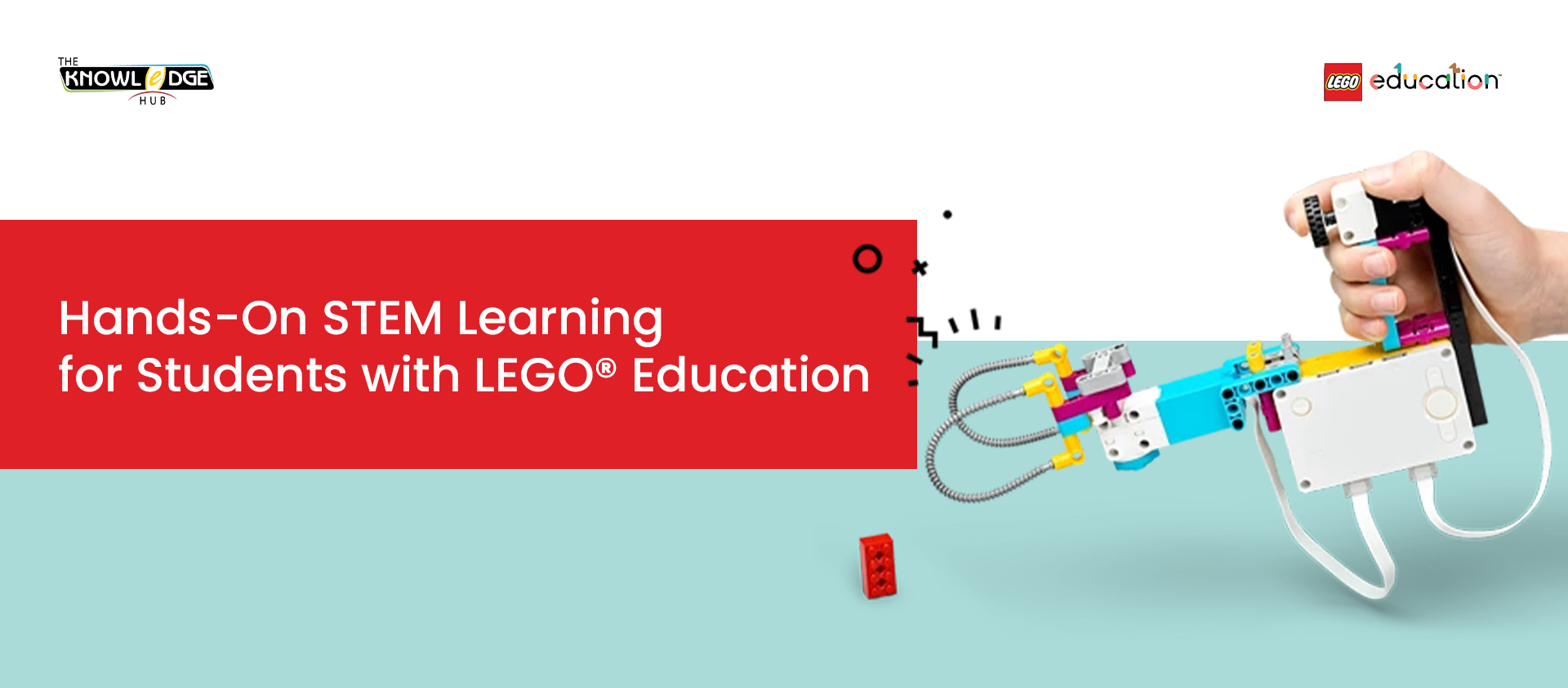
Education is rapidly evolving as schools prepare students for a technology-driven world. Skills such as creativity, collaboration, and problem solving are becoming essential for future careers. One of the most effective ways to develop these abilities is through hands-on STEM learning for students.
LEGO® Education provides interactive tools that allow students to build models, experiment with ideas, and explore engineering and scientific concepts. Instead of simply learning theory, students actively participate in the learning process through engaging classroom activities.
Why Hands-On Learning Makes STEM More Effective
Traditional classroom methods often focus on lectures and textbooks. While these methods provide knowledge, they may not always help students fully understand complex STEM concepts.
Hands-on STEM learning encourages students to explore, test, and discover solutions. With LEGO® Education resources, students can build models that demonstrate scientific principles such as motion, energy, and mechanics. This interactive approach improves engagement and strengthens understanding.
Introducing Coding and Robotics in an Engaging Way
Another major benefit of LEGO® Education is how it introduces students to coding and robotics in a simple and engaging way.
Students can build robots and program them to complete tasks, respond to sensors, or move through challenges. These activities help students understand the connection between physical systems and digital instructions.
Through this process, students develop logical thinking and problem-solving abilities while gaining early exposure to coding concepts.
Encouraging Collaboration and Creativity
STEM education is not only about technical knowledge. It also helps students develop collaboration and communication skills.
LEGO® Education activities often involve teamwork where students work together to design solutions, test their ideas, and improve their models. This collaborative learning environment encourages creativity and innovation.
Students learn that solving problems often requires teamwork, experimentation, and persistence.
Preparing Students for Future Careers
Technology continues to transform industries around the world. Careers in fields such as robotics, artificial intelligence, and engineering are growing rapidly.
By introducing hands-on STEM learning for students, schools can help learners build confidence and curiosity in science and technology. Early exposure to these skills can inspire students to pursue future careers in the STEM fields.
Conclusion
Hands-on learning is one of the most effective ways to make STEM education engaging and meaningful for students. LEGO® Education provides powerful tools that allow students to explore, build, and innovate.
Through interactive experiences, students develop creativity, critical thinking, and technical skills that prepare them for the future.