

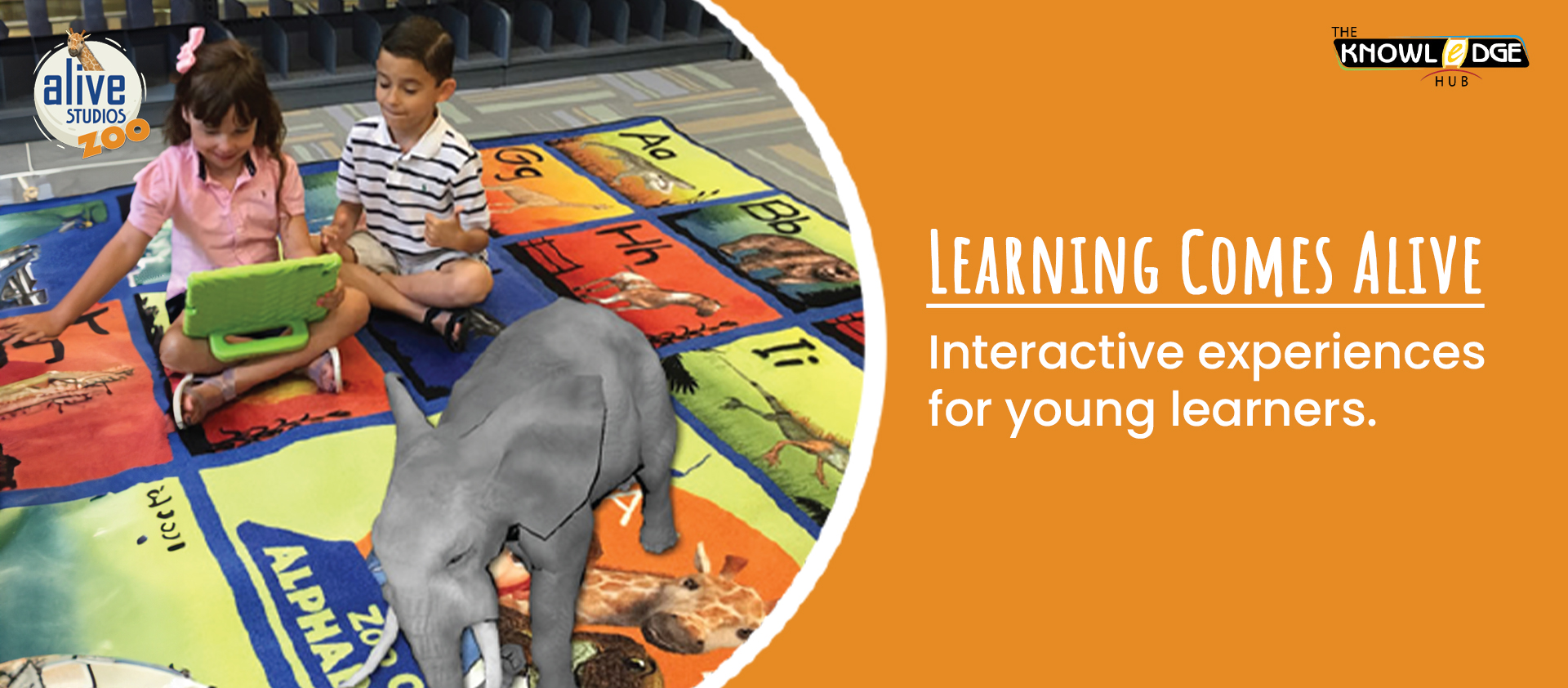
Young children learn best when they can see, hear, move, explore, and participate. Traditional learning methods can introduce important concepts, but interactive experiences can make those concepts more meaningful and easier for children to understand.
This is where interactive learning for early learners can make a difference. By combining technology, visual elements, sound, movement, and hands-on participation, educators can create learning experiences that capture attention and encourage children to actively participate.
What Is Interactive Learning for Early Learners?
Interactive learning for early learners is an approach that encourages children to become active participants in the learning process rather than simply receiving information.
Instead of only listening to a teacher or looking at a worksheet, children can interact with educational content through engaging activities and multisensory experiences. This can help make abstract ideas more concrete while supporting curiosity, communication, problem-solving, and early cognitive development.
For young learners, this type of experience can be particularly valuable because attention and understanding are often strengthened when multiple senses are involved.
Why Multisensory Learning Matters
Early childhood is an important stage for developing foundational skills. Children are naturally curious and often learn by observing, listening, touching, moving, and experimenting.
A multisensory learning environment can support this natural learning process by providing different ways for children to engage with a concept.
For example, a lesson can combine:
- Visual images and animations
- Audio and sounds
- Movement and physical interaction
- Hands-on classroom activities
- Digital and technology-enabled experiences
When learning becomes an experience rather than simply information, children may find it easier to remain engaged and connect new concepts with what they already know.
Making Learning More Engaging
Keeping young learners engaged can be challenging. Interactive educational experiences can introduce variety into the classroom and encourage children to participate more actively.
Instead of simply asking children to remember information, educators can create opportunities for them to explore and respond. This can make lessons more dynamic and provide teachers with additional ways to introduce early concepts.
Engagement is especially important during early learning because children are developing their attention, communication, social, and thinking skills at the same time.
Bringing Learning to Life with Alive Studios
Alive Studios focuses on creating interactive, multisensory learning experiences designed for young children. Its approach helps transform classroom learning into experiences that children can see, hear, and interact with.
By integrating engaging experiences into early learning environments, educators can introduce concepts in ways that encourage participation and curiosity.
The goal is not simply to add technology to the classroom. Instead, interactive experiences can be used as part of a broader learning approach where children explore concepts, participate in activities, and learn through meaningful experiences.
Creating More Meaningful Early Learning Experiences
Every child learns differently. Providing multiple ways to experience a lesson can help educators create a more inclusive and engaging learning environment.
Interactive and multisensory learning can complement traditional teaching methods while giving children additional opportunities to explore, participate, and understand.
For schools and early learning centres looking to create engaging educational environments, interactive learning for early learners can be a valuable approach to consider.
When children are curious, involved, and excited to participate, learning can become more natural. And when learning feels like an experience, young learners have more opportunities to discover, understand, and grow.