

STEM Curriculum UAE: Empowering Students Through Innovation and Future-Ready Learning
The world is changing rapidly, and students need more than traditional academic knowledge to succeed in the future. They need the ability to think critically, solve complex problems, collaborate, and create innovative solutions.
A structured STEM Curriculum UAE helps schools develop these essential skills by integrating Science, Technology, Engineering, and Mathematics into engaging, real-world learning experiences.
Modern STEM education goes beyond textbooks. It encourages students to explore challenges, experiment with ideas, build solutions, and apply knowledge through hands-on projects.
By implementing STEM learning programs, schools can prepare students for future opportunities in fields such as engineering, artificial intelligence, robotics, technology, healthcare, and innovation.
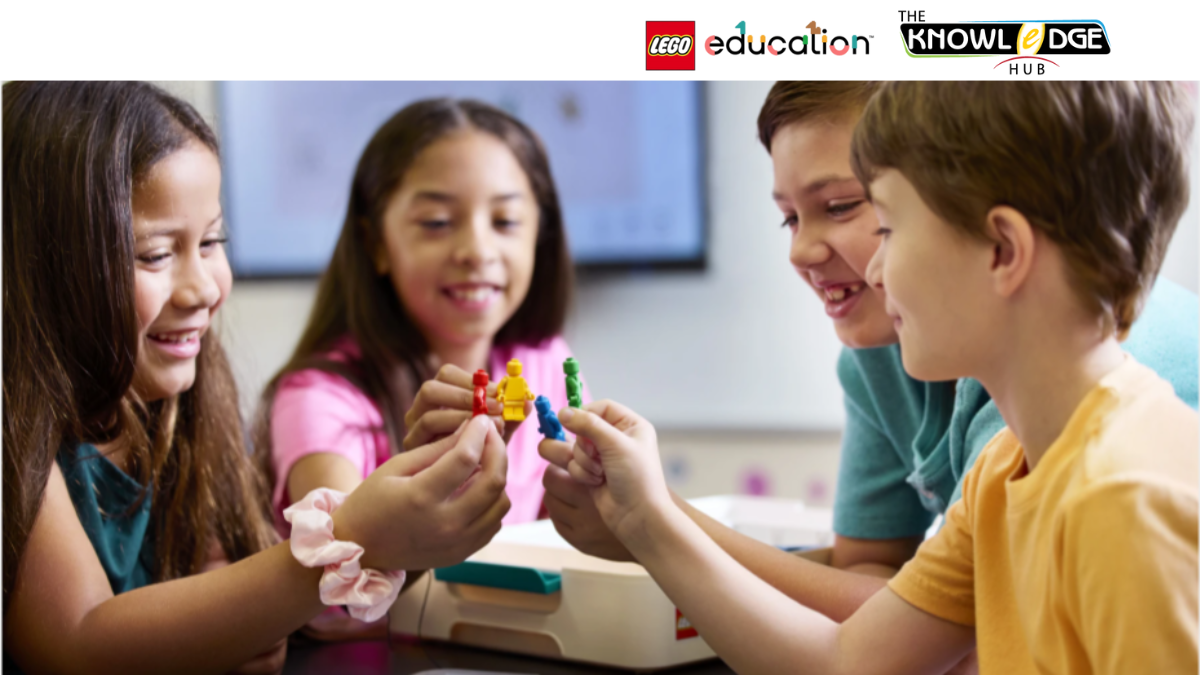
What is STEM Education?
STEM education is an interdisciplinary learning approach that combines four key areas:
Science
Students explore scientific concepts through investigation, experimentation, and discovery.
Technology
Students understand digital tools, coding, automation, and emerging technologies.
Engineering
Students design, build, test, and improve solutions to real-world challenges.
Mathematics
Students develop analytical thinking, calculations, and problem-solving abilities.
Unlike traditional learning approaches, STEM focuses on applying knowledge rather than memorizing information.
Why STEM Education is Important for Schools in UAE
Preparing Students for Future Careers
Many future careers will require strong foundations in technology, innovation, and problem-solving.
STEM education prepares students for opportunities in:
- Artificial intelligence
- Robotics
- Engineering
- Data science
- Healthcare technology
- Research and innovation
By introducing STEM concepts early, schools help students develop skills needed for a technology-driven world.
Developing Critical Thinking and Problem-Solving Skills
STEM learning encourages students to:
- Ask questions
- Analyze problems
- Test solutions
- Learn from failures
- Improve their ideas
These skills are valuable across all academic and professional fields.
Encouraging Creativity and Innovation
STEM is not only about science and technology.
Students use creativity to:
- Design solutions
- Build prototypes
- Develop projects
- Present ideas
This creates a learning environment where students become innovators.

Key Components of a STEM Curriculum
Hands-On Learning
A strong STEM curriculum focuses on practical experiences where students actively participate in learning.
Examples include:
- Building models
- Designing experiments
- Creating prototypes
- Programming solutions
- Testing ideas
Educational solutions such as LEGO® Education allow students to explore STEM concepts through building, coding, engineering challenges, and collaborative projects.
Coding and Computational Thinking
Coding plays an important role in modern STEM education. Structured learning platforms such as ICT 360 Curriculum help schools introduce coding, computational thinking, and digital skills as part of their STEM journey.
Students develop:
- Logical thinking
- Algorithmic reasoning
- Problem-solving skills
- Creativity
Schools can strengthen STEM learning by integrating a structured ICT Curriculum for Schools UAE, helping students build digital foundations alongside STEM skills.
Robotics allows students to apply STEM concepts through practical projects. Schools can expand these experiences through Robotics and Coding Programs UAE, where students develop programming, engineering, and problem-solving skills.
Students learn:
- Mechanical design
- Programming
- Automation
- Team collaboration
Solutions such as LEGO® Education provide engaging learning experiences where students can explore engineering and technology concepts.
Artificial Intelligence Integration
AI is becoming an important part of modern STEM learning.
Students can explore:
- Machine learning concepts
- Data patterns
- Automation
- Intelligent systems
Schools can combine STEM with structured AI Education Solutions UAE to introduce students to emerging technologies.
STEM Curriculum by Grade Level
Primary School STEM Learning
Students build foundational skills through:
- Exploration activities
- Simple engineering challenges
- Creative problem-solving
- Basic coding concepts
The focus is developing curiosity and confidence.
Middle School STEM Learning
Students explore:
- Robotics
- Programming
- Scientific investigations
- Engineering design
They begin solving more complex challenges.
Secondary School STEM Learning
Students develop advanced skills through:
- Research projects
- Innovation challenges
- Technology applications
- Real-world problem solving
These experiences prepare students for higher education and STEM careers.
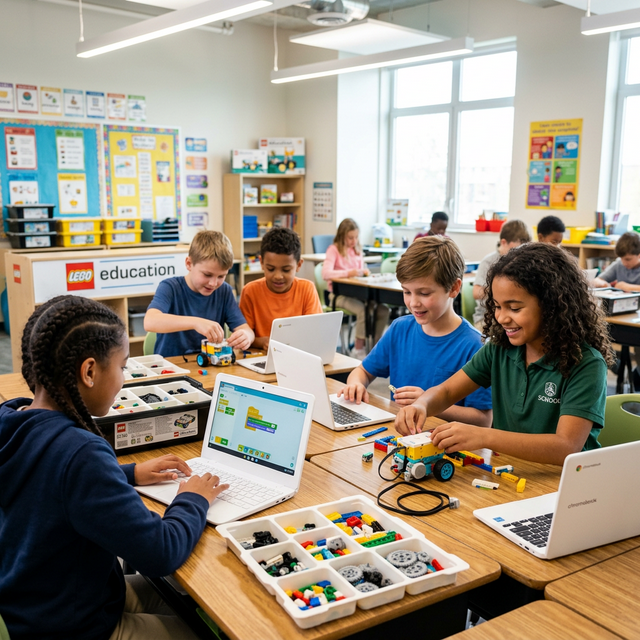
Project-Based Learning in STEM Education
Project-based learning is one of the most effective approaches in STEM education.
Students work on real-world challenges such as:
Smart City Solutions
Designing technology-based solutions for urban challenges.
Environmental Projects
Creating solutions related to sustainability and conservation.
Robotics Challenges
Building and programming automated systems.
Engineering Designs
Developing prototypes and testing solutions.
This approach develops collaboration, creativity, communication, and innovation.
Creating a STEM Lab Environment in Schools
A successful STEM program requires more than equipment. Schools need a complete learning ecosystem.
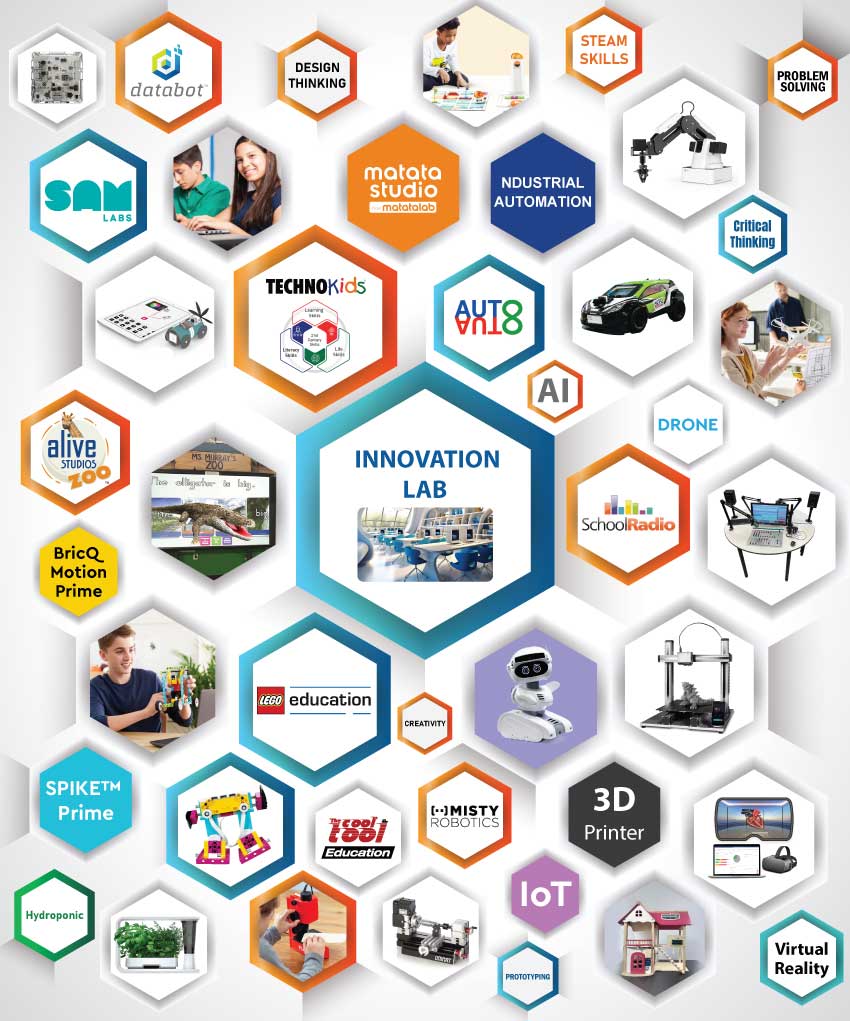
A STEM lab may include:
- Robotics kits
- Coding tools
- Science equipment
- Engineering resources
- Digital learning platforms
- Collaboration spaces
A well-designed STEM environment encourages students to experiment, innovate, and create.
STEM and Future-Ready Classrooms
STEM education plays an important role in creating modern learning environments.
Future-ready classrooms combine:
- STEM curriculum
- AI learning
- Coding education
- Robotics
- Digital literacy
- Teacher development
Schools looking to transform their learning environments can explore Future Ready Classrooms UAE solutions.
Teacher Training for STEM Education
Teachers are essential for successful STEM implementation.
Educators need support in:
- STEM teaching methodologies
- Project-based learning
- Technology integration
- Robotics activities
- Assessment strategies
Continuous professional development through Teacher Training and Certifications UAE helps educators create meaningful STEM experiences and confidently integrate technology into classrooms.
How Knowledge Hub Supports STEM Education in UAE
Knowledge Hub helps schools develop STEM learning ecosystems through:
- Curriculum solutions
- Hands-on learning resources
- Robotics programs
- Coding education
- Teacher training
- Technology integration
By combining educational expertise with innovative learning solutions, Knowledge Hub supports schools in developing confident, creative, and future-ready learners.
Why Schools Should Invest in STEM Curriculum UAE
A strong STEM program helps schools:
Improve Student Engagement
Students learn through exploration and practical experiences.
Develop Future Skills
Learners build creativity, collaboration, and problem-solving abilities.
Encourage Innovation
Students become creators and solution builders.
Prepare for Emerging Careers
STEM education supports future pathways in technology and innovation.
Build a Future-Ready STEM Learning Environment
STEM education helps students develop the skills needed to understand, create, and innovate in a rapidly changing world.
Partner with Knowledge Hub to implement a comprehensive STEM Curriculum UAE designed for schools, educators, and future-focused learners.
Contact Knowledge Hub today to explore STEM learning solutions for your school.
FAQ’S (Frequently Asked Questions)
1. What is a STEM Curriculum UAE?
A STEM Curriculum UAE is an integrated learning approach that combines Science, Technology, Engineering, and Mathematics to help students develop problem-solving, creativity, and innovation skills through practical learning experiences.
2. Why is STEM education important for students?
STEM education prepares students for the future by developing critical thinking, collaboration, creativity, and technical skills required for careers in technology, engineering, science, and innovation.
3. What subjects are included in a STEM curriculum?
A STEM curriculum combines science, technology, engineering, and mathematics with hands-on activities such as coding, robotics, experiments, and real-world problem-solving projects.
4. At what age should students start STEM learning?
Students can begin STEM learning from early years through exploration-based activities. As they progress, they can learn advanced concepts like coding, robotics, engineering design, and artificial intelligence.
5. How does STEM education support coding and robotics?
STEM education provides the foundation for coding and robotics by helping students apply programming, engineering concepts, and logical thinking to create practical solutions.
6. How can schools implement a STEM curriculum in UAE?
Schools can implement STEM programs by combining a structured curriculum, hands-on learning resources, teacher training, and project-based activities that encourage innovation and problem-solving.