

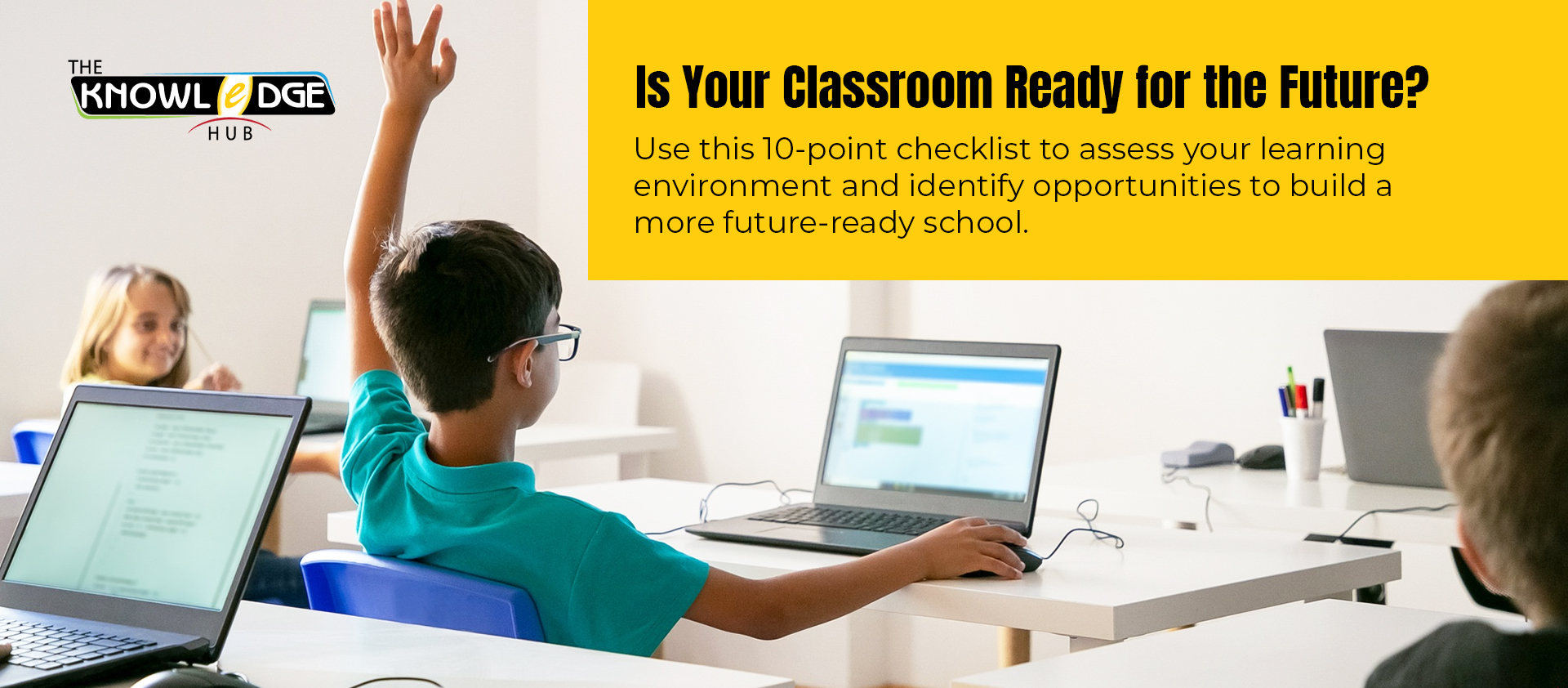
Are your classrooms prepared to meet the changing needs of education?
For school leaders, preparing for the future involves more than investing in new equipment or updating classroom facilities. It requires evaluating how learning environments support teaching, student participation, and the school’s long-term educational priorities.
For schools in Dubai and across the UAE, a structured review can help identify opportunities to improve existing classrooms without immediately committing to major investments.
This future-ready classroom checklist provides 10 questions school leaders can use to assess their current learning environments, identify gaps, and prioritise improvements.
Why Should Schools Assess Classroom Readiness?
Schools continually review their curricula, facilities, and educational resources. However, it can be equally important to evaluate whether their classrooms continue to meet the needs of teachers and students.
A classroom readiness assessment provides a starting point for these discussions. It helps school leaders identify what is working, where improvements may be needed, and which changes deserve attention first.
Rather than attempting to change everything at once, schools can use the findings to develop a practical classroom improvement strategy aligned with their educational objectives and available resources.
10 Questions to Assess Your Classroom Readiness
Use the following checklist to review your school’s existing learning environments.
1. Do Our Classrooms Support Different Learning Activities?
Consider whether classroom arrangements accommodate individual work, group discussions, presentations, and collaborative tasks.
If the same layout is used for every activity, explore whether simple adjustments could help teachers organise lessons more effectively.
2. Can Students Participate Actively in Lessons?
Review whether students have regular opportunities to ask questions, exchange ideas, contribute to discussions, and demonstrate their understanding.
Consider gathering feedback from teachers and students to identify activities that encourage participation and areas where engagement could improve.
3. Are Our Educational Resources Being Used Effectively?
Assess whether existing classroom materials and learning resources support clear educational objectives.
The priority should be purposeful use rather than simply increasing the number of resources available. Identify underused materials and consider how they could contribute more effectively to classroom activities.
4. Can Classrooms Accommodate Different Student Needs?
Consider whether classroom arrangements and learning activities provide appropriate opportunities for students with different needs and learning preferences.
Review accessibility, resource availability, seating arrangements, and the flexibility teachers have when organising activities.
5. Do Our Learning Spaces Encourage Collaboration?
Examine whether students have opportunities to work together, share responsibilities, discuss ideas, and contribute to group tasks.
If collaboration is difficult because of classroom arrangements or limited shared resources, identify practical adjustments that could improve the experience.
6. Are Classroom Improvements Aligned With Educational Objectives?
Before investing in new equipment or changing classroom layouts, establish what the school wants to achieve.
Is the priority improving participation, making better use of resources, supporting collaborative activities, or creating more adaptable learning spaces?
Clear objectives help school leaders evaluate potential improvements against actual educational needs.
7. Can Teachers Adapt Activities When Needed?
Consider how easily teachers can adjust classroom arrangements, learning materials, and activity formats to meet lesson objectives.
Ask educators which aspects of their current classrooms support their teaching and which create unnecessary limitations.
Their feedback can reveal practical improvements that may otherwise be overlooked.
8. Do We Review Classroom Effectiveness Regularly?
Classroom improvement should be an ongoing process rather than a one-time exercise.
Consider whether your school regularly gathers feedback, reviews resource usage, and evaluates how learning spaces support teaching activities.
Simple review processes can help leaders recognise changing needs and make more informed decisions.
9. Do We Involve Teachers and Students in Improvement Decisions?
The people who use classrooms every day can offer valuable insights into how those spaces function.
Invite teachers and students to share their experiences, identify challenges, and suggest improvements.
Involving them in the process can help schools focus on practical changes that address genuine needs.
10. Do We Have a Clear Classroom Improvement Plan?
Finally, assess whether your school has a documented approach to improving its learning environments.
The plan should identify priorities, responsible team members, available resources, target dates, and ways to evaluate progress.
For schools in Dubai and the wider UAE, a phased approach can help balance improvement goals with operational requirements and budget considerations.
How to Turn Your Assessment Into an Action Plan
Completing the checklist is only the first step. The next is to turn observations into manageable actions.
Step 1: Record your findings. Document the areas that are working well and those requiring attention.
Step 2: Identify priorities. Separate immediate improvements from changes that require additional planning or investment.
Step 3: Assign responsibility. Determine who will coordinate each action and which resources may be needed. Where the assessment identifies a need for additional educator support, schools can also explore relevant teacher training and professional development opportunities.
Step 4: Establish review measures. Decide how the school will evaluate whether the changes are achieving their intended objectives.
Step 5: Review progress. Revisit the assessment periodically and update priorities as the school’s needs evolve.
This approach gives school leaders a practical foundation for making informed decisions about classroom improvement.
Preparing Your School for the Next Stage of Learning
Creating a future-ready school is an ongoing process that benefits from regular evaluation, thoughtful planning, and a clear understanding of student and teacher needs.
By using a structured classroom readiness checklist, schools can identify improvement opportunities, make better use of existing resources, and plan changes around meaningful educational objectives.
For a broader overview of the learning environments, educational approaches, and solutions involved in this process, explore Future Ready Classrooms UAE by Knowledge Hub.
The goal is not simply to change classrooms. It is to make informed decisions that help schools create learning environments suited to their evolving educational priorities.