

ICT Curriculum for Schools UAE: Building Digital Skills for Future-Ready Learners
Technology is transforming the way students learn, communicate, and prepare for future careers. As digital skills become essential across industries, schools are focusing on building structured learning pathways that help students understand and apply technology from an early age.
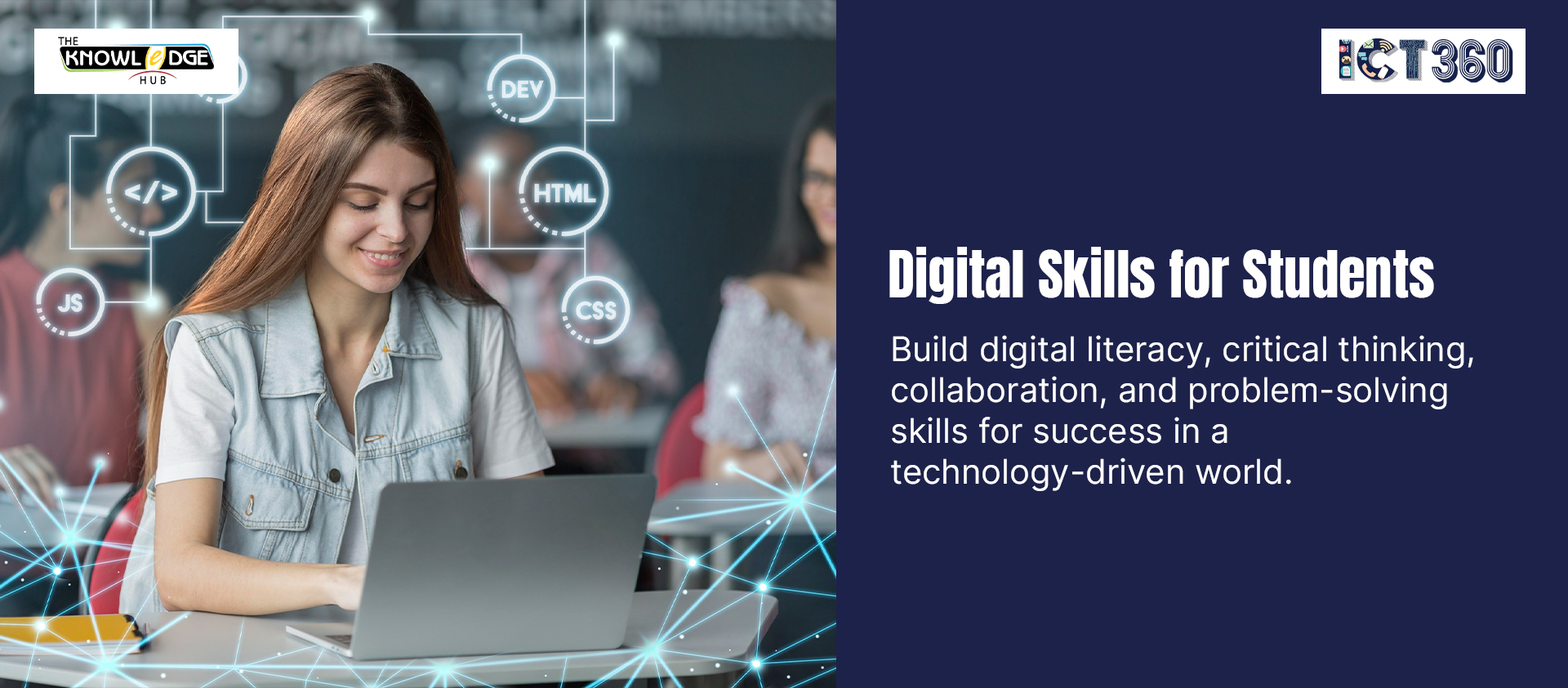
A well-designed ICT Curriculum for Schools UAE empowers students to develop essential digital skills, computational thinking abilities, coding knowledge, and problem-solving capabilities needed in today’s technology-driven world.
By integrating AI Education Solutions UAE , schools can help students explore artificial intelligence concepts, understand responsible AI practices, and discover real-world applications of emerging technologies. These solutions enable learners to understand how technology works, create digital solutions, analyze information effectively, and become confident and responsible digital citizens.
Through structured curriculum frameworks, hands-on learning experiences, coding activities, and emerging technology education, schools can prepare students for future opportunities in artificial intelligence, robotics, engineering, and innovation.
What is an ICT Curriculum?
An ICT (Information and Communication Technology) curriculum is a structured learning framework designed to teach students how to use, understand, and create technology.
Traditional computer education focused mainly on:
- Basic computer operations
- Software applications
- Internet usage
However, modern ICT education has evolved to include:
- Coding
- Computational thinking
- Digital citizenship
- Data literacy
- Artificial intelligence concepts
- Robotics
- Problem-solving
- Technology innovation
A strong ICT curriculum helps students move from technology consumers to technology creators.
Why ICT Education is Important for Schools in UAE
Preparing Students for Future Careers
Technology skills are becoming important in almost every profession.
Future professionals will require knowledge of:
- Artificial intelligence
- Data analysis
- Automation
- Digital communication
- Programming concepts
By introducing ICT education early, schools help students build confidence with technology before entering higher education and professional environments.
Developing Digital Literacy Skills
Digital literacy is no longer an optional skill.
Students need to understand:
- How to evaluate online information
- How to use technology responsibly
- How digital systems work
- How to protect personal information
- How to communicate effectively online
A strong Digital Literacy Curriculum UAE approach helps students become responsible users of technology.
Building Computational Thinking
Computational thinking develops the ability to solve problems logically.
Students learn:
- Breaking problems into smaller parts
- Identifying patterns
- Creating step-by-step solutions
- Improving processes
These skills support success not only in technology fields but also in mathematics, science, and everyday decision-making.
Key Components of an ICT Curriculum
1. Computer Science Fundamentals
Students learn foundational concepts including:
- Hardware and software
- Operating systems
- Digital systems
- Computer networks
- Information management
These concepts create a strong technology foundation.
2. Coding and Programming Education
Coding is one of the most important components of modern ICT learning.
Students develop:
- Logical thinking
- Creativity
- Problem-solving
- Algorithmic reasoning
A progressive coding curriculum allows learners to move from beginner concepts to advanced programming.
Schools can integrate coding pathways through solutions such as ICT 360, which provides structured technology learning experiences aligned with different grade levels.
3. Digital Literacy and Online Safety
Students need guidance on responsible technology use.
Topics include:
- Cyber safety
- Digital citizenship
- Online communication
- Data privacy
- Responsible technology behaviour
These skills help students navigate the digital world safely.
4. Artificial Intelligence Awareness
AI is becoming an important part of modern ICT education.
Students can explore:
- How AI works
- Machine learning concepts
- AI applications
- Ethical AI usage
Schools looking to expand beyond traditional ICT learning can integrate AI learning through dedicated AI Education Solutions UAE.
5. Robotics and Automation
Robotics introduces students to practical technology applications.
Through robotics learning, students develop:
- Engineering skills
- Programming abilities
- Collaboration
- Design thinking
Hands-on solutions such as LEGO® Education help students understand technology concepts through interactive projects and real-world challenges.

ICT Curriculum Framework by Grade Level
Primary School (Grades 1–5)
Focus:
- Digital awareness
- Basic technology skills
- Introduction to coding
- Logical thinking
- Digital creativity
Students learn through:
- Interactive activities
- Visual programming
- Technology projects
Middle School (Grades 6–8)
Focus:
- Programming concepts
- Data handling
- Digital projects
- Problem-solving
Students begin exploring:
- Coding languages
- Robotics
- Application development
- Technology innovation
Secondary School (Grades 9–12)
Focus:
- Advanced programming
- Artificial intelligence concepts
- Data science basics
- Digital innovation
Students prepare for future academic and career pathways.
Benefits of Implementing an ICT Curriculum in Schools
Encourages Innovation
ICT education allows students to experiment, create, and develop solutions.
Improves Problem-Solving Skills
Technology projects require students to analyze challenges and develop solutions.
Supports STEM Learning
ICT works closely with STEM education.
Schools can strengthen their technology ecosystem by combining ICT with a structured STEM Curriculum UAE approach.
Creates Future-Ready Learners
Students develop skills required for:
- Technology careers
- Entrepreneurship
- Innovation
- Digital industries
Designing a Future-Ready ICT Classroom
A modern ICT classroom combines:
- Curriculum resources
- Digital platforms
- Coding tools
- Robotics kits
- Teacher training
- Project-based learning
Successful implementation requires more than hardware. Schools need a complete learning framework that connects technology with meaningful educational outcomes.
This approach supports the development of Future Ready Classrooms UAE, where students actively create, collaborate, and innovate.
Teacher Training for Successful ICT Implementation
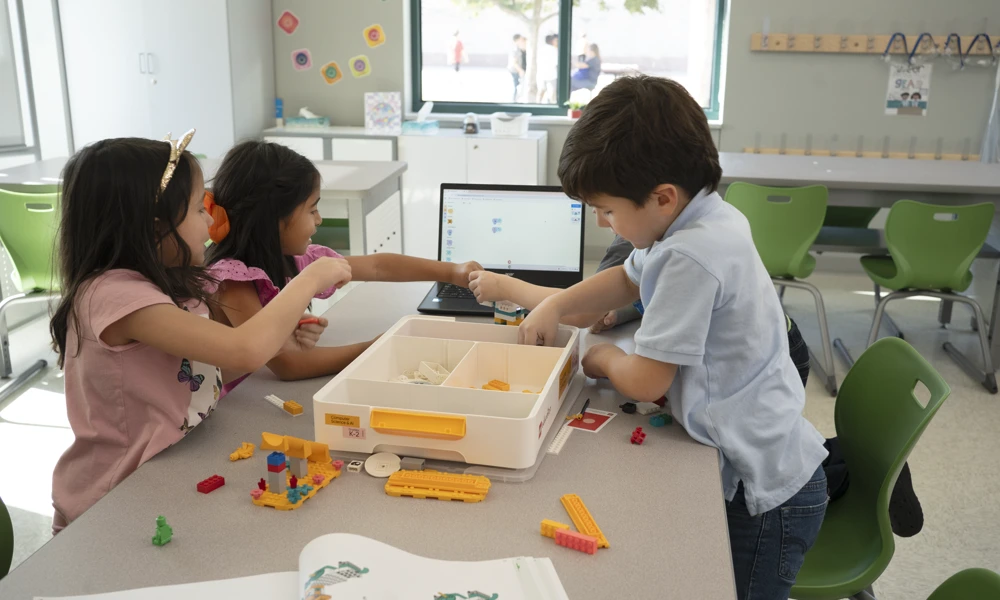
A successful ICT curriculum depends on more than technology resources—it requires confident and skilled educators who can transform digital tools into meaningful learning experiences.
Through Teacher Training and Certifications UAE, educators develop the confidence to use digital tools, coding platforms, and technology-based teaching strategies effectively.
Professional development helps teachers to:
- Integrate technology into classroom lessons
- Teach coding concepts effectively
- Use digital learning platforms
- Create technology-based projects
- Assess students’ digital skills
For schools implementing an ICT Curriculum for Schools UAE, continuous teacher development ensures educators stay prepared for evolving technology trends and create future-ready learning environments.

Project-Based Learning in ICT Education
Traditional technology education often focuses on learning software tools. Modern ICT education focuses on creating solutions.
Project-based learning allows students to:
- Identify real-world challenges
- Research possible solutions
- Design digital projects
- Collaborate with classmates
- Present their ideas
Examples of ICT projects include:
Smart Applications
Students design simple applications that solve everyday problems.
Digital Storytelling
Students combine creativity and technology to communicate ideas.
Robotics Projects
Students build and program solutions using robotics platforms.
Data Projects
Students collect, analyze, and visualize information.
This approach develops creativity, communication, collaboration, and problem-solving skills.
How Knowledge Hub Supports ICT Education in UAE Schools
Knowledge Hub helps schools build technology-focused learning environments through curriculum solutions, educational technology platforms, and hands-on learning experiences.
The approach focuses on combining:
- Curriculum frameworks
- Digital tools
- Coding education
- AI learning
- Robotics
- Teacher development
Schools can create structured technology pathways where students gradually develop skills from digital awareness to advanced innovation.
ICT 360: A Complete Technology Learning Solution
Modern schools need an ICT curriculum that goes beyond basic computer lessons.
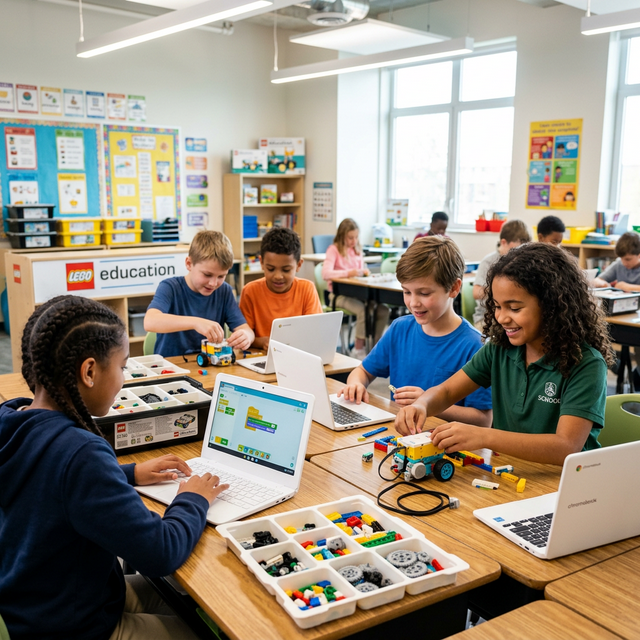
Solutions such as ICT 360 provide structured learning experiences that help students develop:
- Coding skills
- Computational thinking
- Digital literacy
- Problem-solving abilities
- Technology confidence
The curriculum supports progressive learning where students build skills according to their age and learning level.
Integrating ICT with AI, STEM and Robotics
The future of technology education is interconnected.
Schools achieve stronger outcomes when ICT is combined with:
Artificial Intelligence
Students understand emerging technologies and responsible AI usage.
STEM Learning
Students apply technology concepts through science, engineering, and mathematics.
Robotics Education
Students experience coding and automation through practical projects.
Why Schools in UAE Should Invest in ICT Education
The UAE continues to focus on innovation, technology adoption, and future skills development.
Schools that implement strong ICT programs can:
Improve Student Engagement
Interactive technology-based learning encourages curiosity and participation.
Develop Future Skills
Students gain skills relevant to higher education and future careers.
Support Innovation Culture
Technology empowers students to create solutions instead of only consuming information.
Strengthen School Reputation
Modern ICT programs demonstrate a commitment to future-focused education.
Choosing the Right ICT Curriculum Partner
When selecting an ICT curriculum provider, schools should consider:
Curriculum Alignment
The program should match school objectives and education standards.
Age-Appropriate Learning
Technology concepts should progress according to student abilities.
Practical Learning Experiences
Students should apply concepts through projects and activities.
Teacher Support
Educators should receive proper training and resources.
Why Knowledge Hub?
Knowledge Hub works with schools to implement innovative learning solutions designed for the changing needs of education.
With expertise across:
- ICT curriculum
- AI education
- STEM learning
- Robotics
- Coding programs
- Teacher development
Knowledge Hub supports schools in building complete future-ready learning ecosystems.
By combining curriculum expertise with technology solutions, schools can provide students with meaningful learning experiences that prepare them for tomorrow's opportunities.
Build a Future-Ready ICT Learning Environment
Technology skills are becoming essential for every student.
With the right curriculum, tools, and educator support, schools can create engaging technology learning experiences that inspire innovation and creativity.
Partner with Knowledge Hub to implement an effective ICT Curriculum for Schools UAE designed to develop digital skills, coding abilities, and future-ready learners.
Contact Knowledge Hub today to explore ICT curriculum solutions for your school.
FAQ’S (Frequently Asked Questions)
1. What is an ICT Curriculum for Schools UAE?
An ICT Curriculum for Schools UAE helps students develop digital skills, coding knowledge, computational thinking, and technology awareness through structured learning programs.
2. Why is ICT education important for students?
ICT education prepares students for the future by developing digital literacy, problem-solving skills, creativity, and confidence in using emerging technologies.
3. Does an ICT curriculum include coding and robotics?
Yes. Modern ICT programs include coding, robotics, AI concepts, and hands-on technology projects to help students understand how digital solutions are created.
4. At what age should students start learning ICT?
Students can begin ICT learning from early primary years through age-appropriate activities focused on digital awareness, logical thinking, and basic coding concepts.
5. How can schools implement an ICT curriculum in UAE?
Schools can implement ICT programs by choosing a structured curriculum, providing learning resources, training teachers, and integrating practical technology-based projects.
6. How does ICT education support future-ready learning?
ICT education helps students build skills needed for future careers, including coding, digital literacy, AI awareness, problem-solving, and innovation.